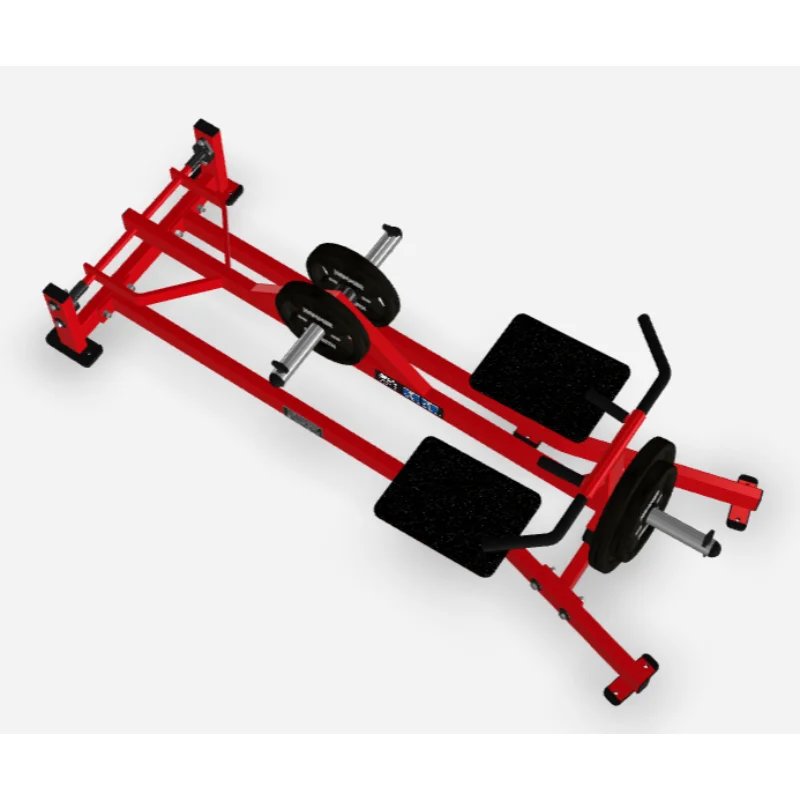
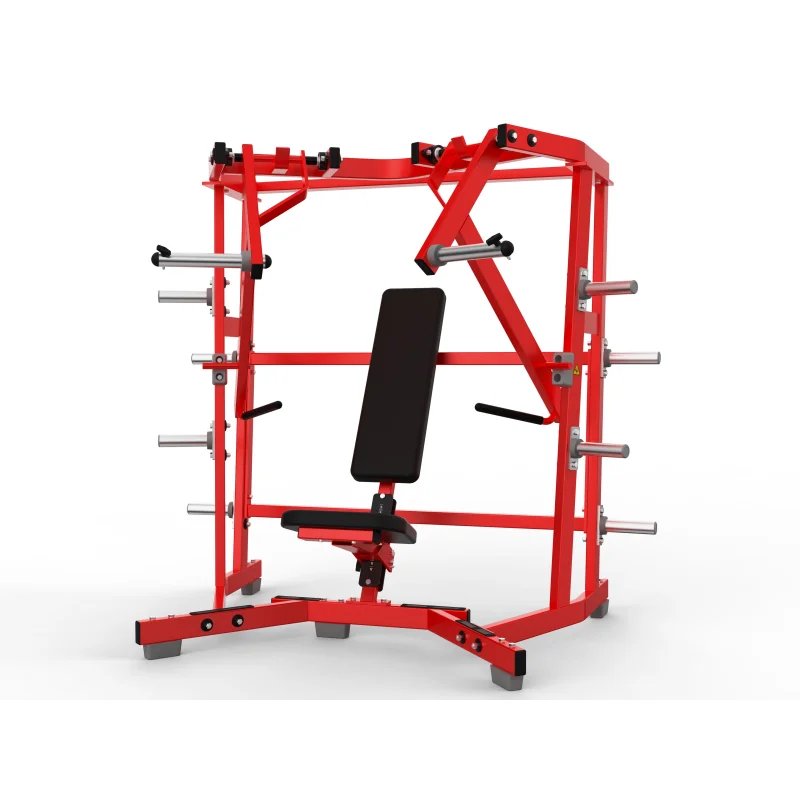
![Hammer Strength Seated Triceps Extension OS-H5077 Commercial Gym Equipment [WARN] draft identifier mismatch](https://bicksport.com/wp-content/uploads/2026/08/hammer-strength-seated-triceps-extension-os-h5077-commercial-gym-equipment-warn-draft-identifier-mismatch-a0f8f5.webp)
Zero Electrical Noise Source — A purely mechanical manual resistance structure eliminates motors, fans, and belts, ensuring the Seated Triceps Extension OS-H5077 operates without generating any electrical hum in acoustically sensitive multi-zone training areas.
Technical Specifications
| Parameter | Value |
|---|---|
| Designation | OS-H5077 |
| Product Type | Seated Triceps Extension |
| Resistance Type | Manual Mechanical (Weight Stack) |
| Main Frame Material | Reinforced Steel |
| Max User Weight | 180kg |
| Product Dimensions | 135513301410mm |
| Net Weight | 90kg |
| Foldable | Unfolded |
| Main Frame Color | Available according to customer requirements |
| Cushion Color | Available according to customer requirements |
| Certification | ISO 9001, CE |
Application Suitability
| Deployment Scenario | Typical Use |
|---|---|
| hotel fitness center on guest room floors | Silent arm isolation training without disrupting adjacent sleeping quarters |
| chain gym cardio zone | Complementary strength station in mixed-use acoustic environments |
| corporate wellness room | Low-maintenance manual resistance for unsupervised high-frequency use |
| high-end residential home gym | Zero electrical noise for shared luxury living spaces |
| sports performance training center | Heavy-duty triceps conditioning for athletic upper-body routines |
Why Acoustic Planning Dictates Manual Strength Deployments in Mixed Zones
Mechanical resistance eliminates the electrical noise floor entirely.
When facility planners mix cardio and strength zones on suspended floors, the low-frequency hum from motorized cable stations often bleeds through structural concrete. I have seen entire equipment batches replaced because the ambient drone triggered noise complaints from adjacent occupied spaces [NEED_CITE: acoustic transmission standards for mixed-use fitness facilities]. The commercial seated triceps extension manual strength equipment relies on a pure steel frame and mechanical weight stack, removing the electrical noise source from the equation. This allows high-intensity arm training to coexist with quiet zones without requiring extensive structural dampening.
Defining the Isolation Role in High-Density Strength Zones
This unit targets strict triceps isolation through a fixed mechanical trajectory, complementing free-weight areas and compound pressing stations in a commercial layout. The manual resistance system accommodates heavy, repetitive loading suitable for high-density professional gyms and clubs where users cycle through stations rapidly. With a maximum user weight capacity of 180kg, the commercial seated triceps extension manual strength equipment supports a broad demographic of adult athletes requiring stable, predictable resistance curves during high-volume arm training sessions.
Structural Demands for Continuous Manual Loading
Unlike motorized stations that require dedicated circuits and cooling, this manual integrated gym trainer demands strict attention to floor leveling and structural load distribution. The 90kg steel frame must be anchored on high-density rubber matting to prevent micro-movements during heavy drop-sets [NEED_CITE: EN 957 requirements for commercial strength equipment stability]. Because the unit generates zero electrical heat, ventilation requirements are minimal, allowing tight placement against walls or in densely packed circuit training corridors where airflow is restricted.
Interpreting the Mechanical Advantage of Weight Stack Engineering
The absence of an electric motor means resistance is governed entirely by gravity and the friction coefficient of the guide rods. A reinforced steel main frame ensures that the chassis does not flex under maximum load, preserving the biomechanical accuracy of the pressing arc. Manual mechanical systems rely on heavy-duty nylon or linear bearings to maintain a smooth vertical travel path; any deviation in steel welding tolerances translates directly to user friction and joint strain. The 135513301410mm footprint provides a wide base of support, critical for stabilizing the center of gravity when users load the stack to its maximum capacity.
The Hidden Cost of Compromised Frame Rigidity
Deploying light-commercial frames in public facilities inevitably leads to structural fatigue and guide rod misalignment. When the steel thickness is inadequate, the frame absorbs the kinetic energy of the weight stack, causing a noticeable wobble that degrades the isolation movement and accelerates bearing wear [NEED_CITE: structural fatigue limits in high-frequency gym equipment]. This results in premature equipment downtime and member attrition due to inconsistent resistance feel, forcing operators to incur heavy replacement costs long before the expected lifecycle ends.
Validating the Manual Equipment Lineup for Global Deployments
Every unit undergoes rigorous structural testing to verify the welding integrity of the reinforced steel frame under continuous high-frequency loading. We provide complete OEM/ODM customization, matching the main frame and cushion colors to specific brand guidelines across international chain gyms. Our engineering team delivers free 3D layout planning, calculating the exact spacing requirements for the 135513301410mm footprint to ensure safe user circulation. This commercial seated triceps extension manual strength equipment is backed by 24/7 technical support and verified durability records.
Documentation & Test Records
- CE declaration of conformity for commercial manual strength trainers
- EN 957 test report verifying structural stability and safety clearances
- ISO 9001 certificate covering steel frame manufacturing processes
- Durability test record for guide rod and bearing lifecycle
- Installation and commissioning guide with spare parts list
Installation, Commissioning & Maintenance
- Verify floor leveling and install high-density rubber matting beneath the 135513301410mm footprint to absorb kinetic shock.
- Inspect mechanical guide rods and apply manufacturer-approved lubricant to ensure frictionless weight stack travel.
- Check all structural steel bolts and weld points after the initial 30-day high-frequency use period.
- Clean vinyl cushions daily with non-corrosive agents to prevent sweat degradation in humid gym environments.
- Ensure adequate clearance around the manual resistance arm to prevent user collision during full extension.
Sourcing the Right Manual Resistance Configuration
Provide your facility floor plan and equipment density requirements to receive a customized 3D layout optimizing user flow around this manual station. Specify your target market and brand guidelines to initiate the OEM/ODM color and logo sampling process. Detail the expected daily user volume so we can recommend the appropriate guide rod and bearing specification for your operational lifecycle.
Frequently Asked Questions
Q: How does manual mechanical resistance compare to motorized cable systems in terms of maintenance?
A: Manual systems eliminate electrical components, motors, and complex wiring harnesses, drastically reducing the maintenance burden. Facility operators only need to focus on mechanical wear points like guide rod lubrication, bearing integrity, and cable tension. This makes manual units highly reliable for remote or unsupervised corporate wellness rooms where specialized electrical maintenance staff is unavailable, ensuring continuous uptime with minimal operational intervention.
Q: What structural factors determine the lifespan of a commercial steel frame?
A: The longevity of the frame depends on steel thickness, welding penetration depth, and the quality of the protective coating against oxidation. In high-frequency commercial environments, the frame must resist cyclical stress without micro-fracturing. Proper floor anchoring and regular torque checks on structural bolts also prevent chassis flex, which is the primary cause of premature bearing failure and misaligned movement trajectories in heavy-duty strength equipment.
Q: How should strength and cardio zones be planned to avoid acoustic interference?
A: Acoustic planning requires isolating vibration sources and eliminating electrical hum. Placing manual steel-frame strength equipment adjacent to quiet zones or hotel corridors removes the low-frequency motor noise associated with motorized cable machines. Planners must also specify high-density rubber flooring to absorb the impact of dropping weight stacks, preventing structure-borne noise from traveling through suspended concrete floor slabs into occupied spaces below.