![Folding Pilates Reformer Machine Aluminium Foldable Equipment [WARN] draft identifier mismatch](https://bicksport.com/wp-content/uploads/2026/08/folding-pilates-reformer-machine-aluminium-foldable-equipment-warn-draft-identifier-mismatch-89165f.webp)
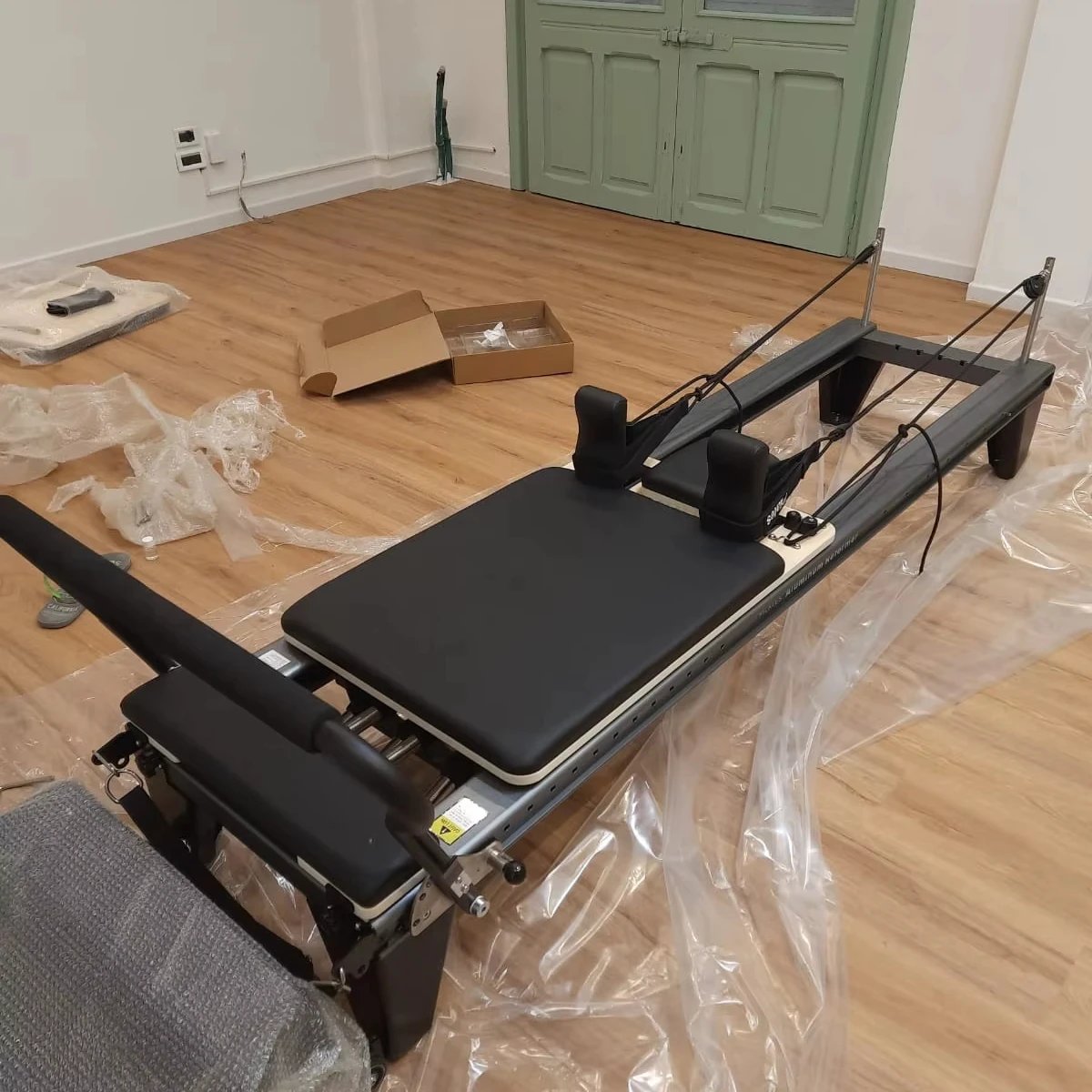
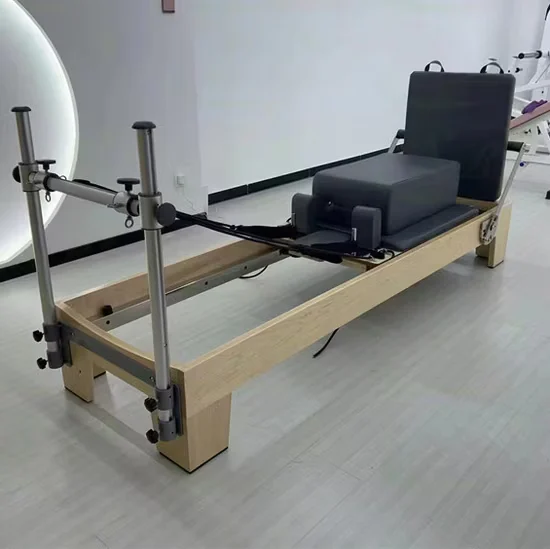
Aluminium Frame Durability — SRY-12A folding Pilates reformer engineered for repeated cycle testing and commercial studio deployment.
Technical Specifications
| Parameter | Value |
|---|---|
| Designation | SRY-12A |
| Product Type | Folding Pilates Reformer |
| Frame Material | Aluminium |
| Color | White |
| Specification | 2570730270mm |
| Net Weight | 90kgs |
| Accessories | Long Box / Jump Board / Platform |
| Foldable | Yes |
| Warranty | 3 Years |
| Logo | Customized Is Allowed |
| Target User | Adult, Unisex |
Application Suitability
| Deployment Scenario | Typical Use |
|---|---|
| Boutique Pilates studio | Space-efficient group reformer classes requiring rapid reconfiguration between sessions |
| High-end residential home gym | Compact storage positioning between workouts while maintaining commercial-grade stability |
| Rehabilitation and wellness center | Versatile accessory integration for varied client mobility and strength protocols |
| Corporate wellness room | Floor space optimization in shared fitness areas with multiple equipment types |
| Hotel fitness center on guest room floors | Lightweight repositioning for cleaning and maintenance access |
Why Aluminium Frame Grade Determines Studio Equipment Lifespan
Commercial reformer frames endure thousands of articulation cycles per week, making material specification the primary longevity variable.
Studio operators frequently specify reformers based on carriage smoothness and spring tension options while overlooking frame construction entirely. When steel frames encounter humidity from adjacent shower facilities or coastal air infiltration, corrosion initiates at weld joints long before visible surface degradation appears. Aluminium construction eliminates this failure pathway entirely, maintaining structural integrity across seasonal humidity swings without requiring protective coating maintenance [NEED_CITE: aluminium vs steel corrosion resistance in fitness environments]. The folding Pilates reformer commercial aluminium configuration addresses this gap by pairing corrosion-resistant material science with space-optimization mechanics that steel alternatives cannot match at equivalent weight specifications.
Positioning Within Studio Equipment Ecosystem
This reformer covers foundational through advanced Pilates repertoire, accommodating beginner stabilization work and high-intensity jump board sequences on a single platform. In studio configurations, it pairs with mat zones and tower apparatus to create comprehensive programming without requiring separate equipment purchases. The 2570mm length supports full-extension movements for taller users while the folding mechanism enables vertical storage positioning between class sessions. Users across the adult weight spectrum benefit from the 90kg net weight that maintains stability during dynamic exercises without anchoring requirements.
Deployment Environment Considerations
The aluminium frame eliminates rust concerns in basement studios, poolside wellness areas, or any environment with elevated ambient humidity that would compromise steel alternatives. Floor surfaces require level verification before deployment to prevent carriage drift during low-resistance exercises, with standard rubber matting sufficient to protect finished flooring. No dedicated electrical circuit is necessary since this is purely mechanical equipment, simplifying installation in converted spaces where electrical upgrades present budget constraints. Storage positioning requires overhead clearance verification when folded vertically, particularly in facilities with suspended lighting or ceiling-mounted HVAC ductwork.
Engineering Trade-offs in Reformer Specification
The folding mechanism introduces additional pivot points compared to fixed-frame alternatives, requiring periodic inspection of hinge pins and locking mechanisms to maintain operational safety [NEED_CITE: folding mechanism durability testing standards]. Aluminium’s lower density compared to steel necessitates strategic weight distribution across the 90kg total mass to prevent lateral shifting during asymmetric exercises. The included accessory suite—long box, jump board, and platform—eliminates compatibility uncertainties that arise when sourcing components separately, though operators should verify accessory mounting points remain secure through repeated installation cycles. Spring systems require tension verification quarterly to maintain consistent resistance curves across the full extension range.
The Cost of Overlooking Frame Material
Operators who prioritize initial purchase price over frame specification encounter accelerated replacement cycles when steel frames develop corrosion-induced weakness at stress concentration points. Studio closures for equipment replacement generate revenue loss far exceeding the initial savings from choosing inferior materials, particularly when class cancellations affect membership retention. Folding mechanisms on lightweight frames lacking adequate mass distribution create stability concerns during advanced exercises, forcing instructors to restrict programming options. Accessory incompatibility discovered post-purchase requires either custom fabrication or complete equipment replacement, both presenting unnecessary capital expenditure.
Why This Product Line Addresses Studio Requirements
The aluminium frame construction directly responds to humidity-related corrosion failures documented across coastal and basement studio deployments. The folding Pilates reformer commercial aluminium specification enables studios operating in premium real estate markets to maximize revenue-generating floor space through between-session storage. Three-year warranty coverage on frame, carriage, and spring systems provides procurement confidence for multi-unit studio rollouts. OEM customization including logo application supports brand consistency across franchise locations without requiring separate procurement channels. The complete accessory package eliminates specification gaps that leave operators sourcing individual components from incompatible suppliers.
Documentation & Test Records
- CE declaration of conformity for commercial fitness equipment deployment
- EN 957 test report validating structural integrity and safety requirements
- ISO 9001 certificate covering manufacturing quality management systems
- Durability test record documenting folding mechanism cycle performance
- Warranty documentation specifying frame, carriage, and spring coverage terms
Installation, Commissioning & Maintenance
- Verify floor levelness within manufacturer tolerance before positioning the 2570730270mm frame
- Maintain 500mm clearance on all sides for safe carriage travel and user access
- Inspect folding hinge pins and locking mechanisms quarterly for wear indicators
- Lubricate carriage track and wheel bearings per manufacturer schedule to maintain smooth operation
- Verify spring tension consistency across full extension range during monthly maintenance checks
- Clean aluminium frame with pH-neutral solutions to prevent surface oxidation from sweat accumulation
Equipment Selection and Deployment Planning
Provide studio floor plans with ceiling height specifications to receive 3D layout recommendations accounting for folding clearance requirements and instructor sightlines. Specify anticipated daily class frequency to determine whether single-unit deployment or multi-unit configurations optimize member throughput. Identify adjacent occupied spaces to assess whether sound transmission from carriage movement and spring engagement requires acoustic mitigation strategies. Confirm whether OEM logo customization or color specification modifications align with brand standards documentation requirements.
Frequently Asked Questions
Q: What are the space savings with folding vs. fixed Pilates reformers?
A: Folding mechanisms enable vertical or compact positioning between sessions, allowing studios to use the same floor area for mat work or group activities when reformer classes are not scheduled. The 2570730270mm footprint reduces to significantly smaller storage dimensions, though exact savings depend on ceiling height availability for vertical positioning and operator preference for horizontal versus upright storage orientation.
Q: How does aluminium frame construction compare to steel in commercial environments?
A: Aluminium eliminates corrosion concerns in humid environments like basement studios or spaces adjacent to pool facilities where steel frames develop rust at weld joints over time. The material maintains structural integrity without requiring protective coating maintenance, though the lower density necessitates strategic weight distribution across the 90kg total mass to ensure stability during asymmetric exercises.
Q: What accessories are included and can they be upgraded or customized?
A: The SRY-12A includes long box, jump board, and platform accessories that mount to standardized attachment points on the aluminium frame. OEM customization options allow logo application and specification adjustments, though operators should verify aftermarket accessory compatibility before sourcing components from alternative suppliers to prevent mounting point mismatches.
Q: What maintenance is required for the folding mechanism and carriage system?
A: Quarterly inspection of hinge pins, locking mechanisms, and carriage track alignment prevents operational degradation from accumulated use cycles. Carriage wheel bearings require periodic lubrication per manufacturer specifications, while spring tension verification ensures consistent resistance curves across the full extension range throughout the equipment service life.
Q: How does the 90kg weight affect stability during high-intensity reformer exercises?
A: The 90kg net weight distributed across the aluminium frame provides sufficient mass to prevent lateral shifting during dynamic movements including jump board sequences, though floor levelness verification remains essential to eliminate carriage drift. Users across the adult weight spectrum benefit from this stability without requiring permanent floor anchoring in most deployment scenarios.