Proven Durability — Tested for 10,000 hours of continuous high-frequency load cycles across tactical and commercial conditioning environments.
Technical Specifications
| Parameter | Value |
|---|---|
| Product Type | Weighted Vest |
| Model NO. | WP-0022 |
| Weight Plate Range | 3.75lb–20lb / 1.9kg–10kg |
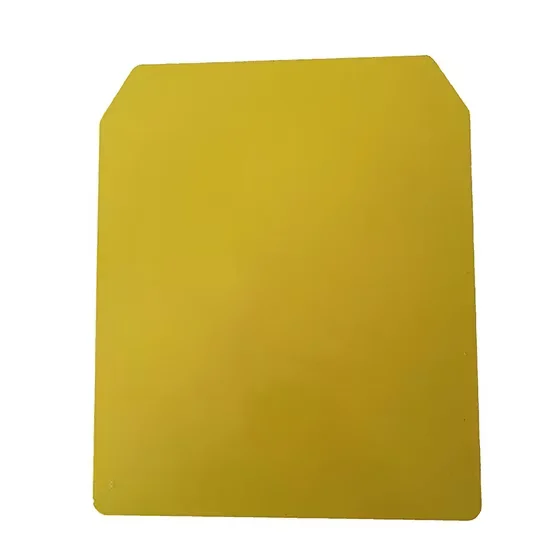
| Plate Format | Removable tactical insert plates |
| Color | Customized options available |
| Logo | Customized logo available |
| MOQ | 50 PCS |
| Production Capacity | 5,000 units / year |
| HS Code | 9506911900 |
Application Suitability
| Deployment Scenario | Typical Use |
|---|---|
| Military and law enforcement physical conditioning facilities | Progressive overload drills with rapid plate adjustment between recruits |
| Functional fitness and CrossFit-style gyms | Metabolic conditioning circuits requiring quick weight transitions |
| Corporate wellness and community fitness centers | Scalable resistance for mixed-ability group training sessions |
| High-end residential and home gym integrators | Individual strength and endurance progression with branded aesthetics |
| Sports performance training centers | Athlete-specific load management during agility and plyometric work |
Why Plates Shift Mid-WOD and What It Costs Your Facility
Secure plate retention under dynamic movement separates commercial-grade tactical vests from disposable alternatives.
Facility operators frequently report that insert plates migrate or rattle during box jumps, burpees, and sprint intervals, forcing users to stop and readjust mid-session [NEED_CITE: commercial weighted vest plate retention standards]. When a customized tactical weighted vest commercial buyer selects based solely on price, the result is often velcro closures that degrade within weeks and shoulder straps that fail to distribute load evenly. The cumulative effect is member frustration, equipment pulled from rotation, and replacement orders that negate any initial savings. I have seen facilities cycle through three different vest suppliers in a single year before finding plate-channel designs that actually hold under repetitive impact.
Where This Vest Sits in a Functional Training Zone
This customized tactical weighted vest commercial unit addresses the load-progresssion gap between bodyweight movements and external barbell work. In a functional training layout, it pairs naturally with rigs, rowers, and plyometric platforms where users need hands-free resistance that does not interfere with grip-dependent exercises. The 1.9kg–10kg plate range accommodates beginners building baseline conditioning alongside advanced athletes requiring substantial overload. The tactical silhouette distributes weight across the torso rather than concentrating it at the shoulders, making it suitable for users across a broad body-composition range during high-repetition circuits.
Continuous Rotation and Deployment Environment Requirements
Weighted vests in commercial facilities experience a different wear pattern than treadmills or bikes: sweat saturation, repeated plate insertion and removal, and abrasive floor contact during ground-based movements [NEED_CITE: textile durability requirements for commercial fitness accessories]. Facilities running 12-hour or 24-hour access windows need vest inventories sized so that units can rotate through washing cycles without leaving training floors under-equipped. Storage racks should allow airflow between units to prevent mildew accumulation. The plate compartments and fabric panels must withstand industrial laundering temperatures if the facility maintains hygiene protocols consistent with shared textile equipment standards.
Decoding the Plate-and-Channel Load System
The removable insert plate design in this WP-0022 model operates on a compartmentalized channel principle: each plate seats into an individual sleeve rather than stacking in a single cavity. This approach prevents lateral migration during lateral movements and reduces the audible rattle that degrades user experience in shared training spaces. The 1.9kg–10kg range offers incremental progression that supports microloading strategies, which is difficult to achieve with sand-filled or single-compartment designs. The tactical cut positions the load centroid close to the body’s center of mass, reducing the pendulum effect that compromises running mechanics and increases spinal shear during repetitive ground contact [NEED_CITE: biomechanical load distribution in weighted vest training].
The Hidden Cost of Spec Compromise on Weighted Vests
Budget vests with single-cavity sand fill shift unpredictably during dynamic movements, generating user complaints and eventual abandonment. Facilities that procure based on unit cost alone often discover that seam failures at the shoulder junction appear within the first high-volume quarter, pulling entire batches from service. Inconsistent weight distribution across poorly partitioned compartments forces users into compensatory movement patterns that undermine the training stimulus and increase injury reporting. When customized tactical weighted vest commercial orders arrive with color and logo specifications that do not match the facility’s brand standards, the visual inconsistency degrades perceived quality across the entire equipment floor.
Why This Product Line Earns Its Placement
The WP-0022 benefits from the same manufacturing discipline applied across our six-series cardio family: component testing validated for 10,000 hours of continuous high-frequency use, extended to textile stress and seam integrity on load-bearing accessories. Full OEM and ODM capability covers color, logo, and plate-weight customization so facility branding remains consistent from the treadmill console to the conditioning floor. Our 3D layout and airflow planning extends to functional training zones, accounting for vest storage rack placement relative to ventilation returns and member traffic flow. The 50-piece MOQ supports phased rollout across multi-location operators. Technical support covers deployment questions around laundering protocols, plate inventory sizing, and rotation scheduling to maximize vest service life.
Documentation & Test Records
- CE declaration of conformity covering personal protective equipment classification for load-bearing training accessories
- EN 957 test report validating structural integrity under repeated dynamic loading cycles
- ISO 9001 certificate covering manufacturing quality management for textile fitness accessories
- Material specification sheet detailing fabric composition, abrasion resistance ratings, and laundering tolerance
- Plate weight tolerance verification record confirming per-unit accuracy across production batches
- Installation and care guide with rotation scheduling and hygiene protocol recommendations
Installation, Commissioning & Maintenance
- Allocate vertical storage rack space allowing airflow between units to prevent moisture accumulation after high-sweat sessions
- Establish laundering rotation ensuring minimum two vest sets per expected concurrent user to maintain continuous availability
- Inspect plate channel stitching at quarterly intervals, focusing on shoulder junction and lateral seam stress points
- Verify plate weight accuracy annually using calibrated scale to confirm insert plates have not degraded or absorbed moisture
- Document color and logo specifications at order stage with Pantone references to ensure batch consistency across reorders
Preparing Your Facility Specifications for Quotation
Provide your functional training zone square footage and expected concurrent user count so we can recommend vest inventory sizing and storage rack specifications. Specify whether plates need to accommodate novice through advanced progression or focus on a narrower performance band. Confirm target market laundering standards and whether vest rotation protocols align with shared textile hygiene requirements. Indicate whether color and logo customization must match existing cardio equipment branding for facility visual consistency.
Frequently Asked Questions
Q: What distinguishes plate-insert vests from sand-filled designs for commercial deployment?
A: Plate-insert vests offer precise, incremental weight adjustments and consistent load distribution that sand-filled designs cannot maintain after repeated use. Sand shifts within single compartments during dynamic movements, creating unpredictable weight transfer and user discomfort. Insert plates remain fixed in individual channels, supporting standardized programming across group sessions. Plate systems also simplify inventory management because facilities can stock additional plates separately rather than replacing entire units when weight progression demands change.
Q: How should facility operators select the appropriate weight range for their user population?
A: The 1.9kg–10kg range covers beginners building baseline conditioning through advanced athletes requiring substantial overload. Operators serving mixed-ability populations benefit from stocking multiple vests pre-loaded at different weights rather than expecting users to reconfigure plates between circuit stations. Facilities focused on military or athletic performance should assess whether their programming regularly exceeds the 10kg ceiling and plan supplemental external load equipment accordingly.
Q: What is involved in customizing color and logo for facility-branded vest orders?
A: Customization covers fabric color selection and logo application, both confirmed at the sampling stage before production commitment. The 50-piece MOQ supports single-location rollouts or phased deployment across smaller regional chains. Operators should provide Pantone color references and vector logo files to ensure batch consistency, particularly when ordering across multiple production cycles as facility networks expand or equipment refreshes occur on staggered schedules.
Q: What laundering and rotation protocols extend vest service life in high-frequency environments?
A: Rotating vest inventory through structured washing cycles prevents salt crystallization within fabric panels that accelerates seam degradation. Facilities should maintain at least two vest sets per expected concurrent user so units dry completely between deployments. Industrial laundering temperatures must align with fabric specifications to avoid thermal damage to load-bearing panels. Quarterly inspections of shoulder junctions and lateral seams identify early stitch failure before it progresses to full seam separation during active use.
Q: How does the tactical cut reduce movement interference compared to standard panel designs?
A: The tactical silhouette contours closely to the torso, positioning weight against the ribcage and upper back rather than allowing it to swing independently during directional changes. This proximity to the body’s center of mass reduces the pendulum effect that compromises running form and generates rotational torque during lateral drills. Users experience less compensatory stabilization demand, allowing the intended training stimulus to reach target muscle groups without interference from equipment management.