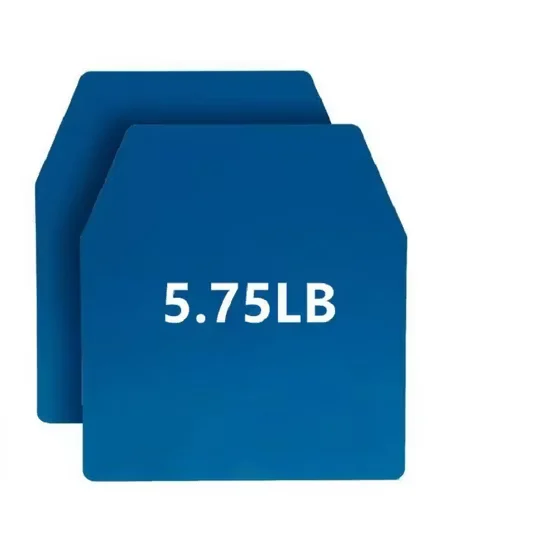
Modular Load Progression — tactical weight vests demand exact increments, and plate-loaded modularity from 1.9 kg to 10 kg delivers repeatable loading without guesswork.
Technical Specifications
| Parameter | Value |
|---|---|
| Product Type | Weighted Vest / Tactical Weight Vest |
| Specification (Weight Range) | 3.75 lb – 20 lb / 1.9 kg – 10 kg |
| Color | Customized |
| Logo | Customized Logo Available |
| MOQ | 50 PCS |
| Production Capacity | 5,000 / Year |
| HS Code | 9506911900 |
| Origin | China |
Application Suitability
| Deployment Scenario | Typical Use |
|---|---|
| Tactical training centers | Loaded ruck marches, obstacle course preparation, bodyweight circuits with incremental resistance |
| Military and law enforcement fitness facilities | Unit-level conditioning with color-coded load identification for squad assignment |
| CrossFit and functional training gyms | Weighted vest WODs, murph-style workouts, partner-based load progression drills |
| Personal strength and conditioning programs | Progressive overload for running, squat, and carry movements in individual programming |
Why Fixed-Weight Vests Fail Under Real Training Protocols
Modular plate loading eliminates the compromise between under-loading and over-loading athletes.
Off-the-shelf tactical vests with sewn-in weights force coaches into binary choices: a recruit either carries too much or too little. In a 40-person tactical training center running concurrent load-bearing circuits, that mismatch accumulates into missed adaptation targets and elevated injury risk across the roster. I have watched functional training gyms retire entire batches of fixed-weight vests within a season because the load could not match the progression curve of their members [NEED_CITE: load progression variability in tactical athlete populations]. A customizable tactical weight vest commercial deployment solves this by letting plates be added or removed in small increments, matching the vest to the athlete rather than forcing the athlete to fit the vest.
Positioning the Vest Within a Functional Training Equipment Roster
This customizable tactical weight vest commercial option covers loaded movement patterns that dumbbells and kettlebells cannot replicate: running, rucking, and multi-planar bodyweight work where hands must remain free. In a functional training gym layout, it complements sleds, sandbags, and barbells by adding axial torso loading to conditioning circuits. It suits high-density deployment where multiple athletes cycle through the same station with different load requirements. The 1.9 kg to 10 kg range accommodates users from initial conditioning phases through advanced loaded carry protocols.
Deployment Environment and Daily Use Considerations
Tactical training centers running morning and evening PT sessions will cycle these vests through dozens of users per day. Vest shell material must withstand repeated plate insertion, sweat saturation, and floor contact during burpees and sprawls. Unlike motorized equipment, there is no duty-cycle concern, but plate retention security during dynamic movement is critical — a loose plate shifts load distribution and creates abrasion points. Facilities deploying across multiple rooms or outdoor areas should plan for color coding by unit or load level to prevent cross-contamination of training assignments. Storage hooks or cubbies must accommodate the vest thickness when fully loaded. Ventilation in the storage area matters because sweat-saturated fabric in enclosed racks develops odor that migrates to adjacent equipment zones [NEED_CITE: fabric degradation under repeated sweat and UV exposure in tactical gear].
Plate System and Load Distribution Mechanics
The 3.75 lb to 20 lb range breaks into modular increments, allowing coaches to scale load in steps that match physiological adaptation timelines rather than arbitrary jumps. Plate-loaded distribution across front and rear torso panels keeps the center of mass close to the body’s natural axis, which matters during running and lateral movement where off-axis weight creates compensatory gait patterns. The vest shell and plate pockets must use high-denier fabric with reinforced stitching at stress points — this is where cheaper vests fail first. Color customization on plates and shell serves a functional purpose beyond branding: a red-plate unit signals a different load tier than a black-plate unit, reducing pre-workout sorting time in group sessions.
The Cost of Ignoring Material and Retention Specifications
Facilities that procure vests based on weight range alone often discover failure modes during the second month of deployment. Plate pockets with weak closures allow plates to migrate during box jumps or wall balls, creating bruising complaints and training interruptions. Shell fabric that cannot handle sweat and friction degrades at the shoulder seams, pulling the entire batch out of service simultaneously. In a CrossFit gym running daily vest WODs, these failures compound into member dissatisfaction and unplanned replacement cycles [NEED_CITE: equipment replacement frequency under high-repetition functional training loads]. Procurement decisions should verify plate retention mechanisms and request samples under load before committing to bulk orders.
Why This Product Line Fits Commercial Procurement
The customizable tactical weight vest commercial offering supports OEM logo placement on vest and packaging, which matters for institutional procurement where gear must match unit or facility branding. The 50-piece MOQ allows mid-size gyms to outfit a full class without over-committing inventory. Weight range and increment options align with standard tactical conditioning protocols from initial entry-level loads through advanced ruck standards. Color customization on both plates and vest shell enables visual load management in group training environments. The product integrates into a broader facility outfitting plan alongside cardio and strength equipment, with 3D layout planning available for the cardio zones where this vest is used during loaded movement circuits. Documentation and technical support follow the same deployment-oriented process used across the full equipment range.
Documentation & Test Records
- CE declaration of conformity for weighted training accessories
- Material specification sheet for vest shell and plate housing fabric
- Production quality inspection records per batch
- OEM logo and color approval samples with sign-off documentation
- Load distribution and fit guide for sizing across user populations
Installation, Commissioning & Maintenance
- Verify plate pocket closure integrity before first deployment under loaded movement
- Assign color codes by load tier and document in facility training standard operating procedures
- Establish cleaning protocol for sweat-saturated fabric to prevent odor migration to storage areas
- Inspect shoulder seam stitching and plate pocket reinforcement at monthly intervals
- Store on ventilated hooks rather than enclosed bins to extend shell fabric service life
- Maintain plate inventory log matching vest count to prevent load shortages during group sessions
Requesting a Facility-Matched Quotation
Share your training facility type, expected daily user count, and load range requirements to receive a vest specification matched to your programming. Specify whether you need color-coded plates for group-level load management. Indicate OEM logo and branding requirements for procurement compliance. Confirm target delivery timeline so production scheduling aligns with your training cycle start date.
Frequently Asked Questions
Q: What weight range and increment options are available for the tactical vest?
A: The vest supports total loads from 3.75 lb to 20 lb (1.9 kg to 10 kg) using modular plates. Increments can be adjusted by adding or removing individual plates from front and rear pockets, allowing coaches to match load precisely to each athlete’s current conditioning level and progression protocol without purchasing multiple fixed-weight vests.
Q: Can the vest and plates be customized with our facility logo and colors?
A: Yes. Both the vest shell and plates accept custom color specifications, and OEM logo placement is available on the vest body and transport packaging. This supports facility branding, unit identification, and private-label programs for institutional procurement where visual consistency across issued gear is a compliance requirement.
Q: What is the MOQ for OEM logo and color customization?
A: The minimum order quantity for customized tactical weight vests with OEM logo and color options is 50 pieces. This threshold allows mid-size training facilities and smaller tactical units to procure branded gear without committing to large-scale production runs typically required by overseas manufacturers.
Q: How is the weight distributed across the torso during movement?
A: Plates load into front and rear pockets positioned to keep mass close to the body’s center line. This distribution minimizes compensatory movement patterns during running, lateral shuffles, and loaded carries, reducing the gait distortion and shoulder strain that occurs when weight concentrates at a single point away from the torso axis.
Q: What materials are used for the vest shell and plate housing?
A: The vest shell uses high-denier fabric selected for abrasion resistance and sweat tolerance under repeated training cycles. Plate pockets feature reinforced stitching at stress points and retention closures designed to secure plates during dynamic movements including jumps, sprints, and ground transitions. Material specifications are provided with sample approval before bulk production.