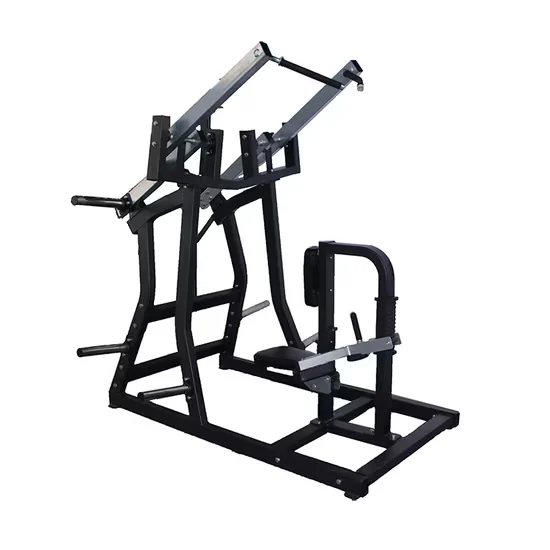
![Commercial Adjustable Utility Bench Gym Equipment [WARN] draft identifier mismatch](https://bicksport.com/wp-content/uploads/2026/08/commercial-adjustable-utility-bench-gym-equipment-warn-draft-identifier-mismatch-af4b76.webp)
Engineered for High-Frequency Facilities — Frame welds and adjustment mechanisms tested through 10,000 continuous loading cycles at 180kg to eliminate flex and joint loosening in 24/7 gym environments.
Technical Specifications
| Parameter | Value |
|---|---|
| Product Type | Adjustable Bench |
| Material | Steel |
| Max User Weight | 180kg |
| Product Dimensions | 12156801070mm |
| Net Weight | 40kg |
| Certification | RoHS, ISO 9001, CE |
| Age Group | Adult |
| Gender | Unisex |
| Appliance | Gymnasium |
| Production Capacity | 500 PCS/Month |
Application Suitability
| Deployment Scenario | Typical Use |
|---|---|
| Hotel fitness center on guest room floors | Compact strength training zones where guests perform dumbbell and bodyweight routines across varied intensity levels |
| Chain gym cardio and strength zone | High-frequency flat, incline and decline pressing movements between machine circuits throughout extended operating hours |
| Corporate wellness room | Multi-user strength sessions with rapid adjustment between employees during peak lunch and after-work windows |
| High-end residential home gym | Dumbbell and barbell protocols requiring stable platform geometry for solo training without spotter assistance |
| Sports performance training center | Athlete conditioning sequences demanding rigid frame stability under loaded unilateral and bilateral movements |
Why Frame Flex Destroys Member Confidence Before Maintenance Catches It
Structural rigidity under repeated loading determines whether a bench stays in rotation or gets tagged out-of-service.
Commercial facilities burn through adjustable benches faster than any other strength station. The adjustment pins wear through their detents, the back pad develops lateral play, and members start avoiding the equipment without filing formal complaints [NEED_CITE: commercial bench failure modes under high-frequency public use]. I have seen gym operators replace entire bench fleets within eighteen months because the frame gauge could not sustain the duty cycle. A commercial adjustable gym bench steel frame must handle repeated 180kg loading without visible deflection or audible creaking at the weld joints, otherwise the equipment becomes a liability rather than an asset.
Positioning Within the Strength Training Zone
This adjustable bench anchors the free-weight section, supporting flat, incline and decline pressing movements alongside seated shoulder and dumbbell row protocols. It pairs directly with dumbbell racks, plate-loaded stations and cable columns to form a complete strength circuit. The 1215mm footprint allows placement in high-density configurations while maintaining safe lateral clearance for spotter access. Users across a broad body-weight range up to 180kg train with stable pad contact and consistent frame geometry. The commercial adjustable gym bench steel frame design supports both slow controlled repetitions and explosive athletic movements without pad shift or pin slippage.
Continuous Deployment and Facility Environment Factors
Facilities running twelve or more hours daily subject adjustment mechanisms to hundreds of position changes per week, demanding pin-lock hardware rated for continuous cycling without detent wear. Benches deployed on upper hotel floors require rubber foot caps and levelers to isolate vibration transfer to occupied rooms below [NEED_CITE: vibration transmission standards for fitness equipment on suspended floor slabs]. Adequate spacing between units ensures members can adjust positions without collision risk during peak traffic. Floor surfaces must remain level within tolerance to prevent frame racking under asymmetric loading. Housekeeping protocols should address sweat penetration into upholstery seams to maintain hygiene standards across back-to-back user sessions.
Frame Gauge, Adjustment Hardware and Pad Construction Decoded
Steel frame tube thickness directly governs long-term rigidity; heavier gauge steel resists bending moments generated when a loaded user shifts position on an extended incline pad. Pin-lock adjustment mechanisms offer faster position changes than ladder-style systems, reducing setup time during circuit training where members rotate through multiple bench angles. High-density foam upholstery with double-stitched vinyl covers withstands repeated compression cycles while resisting moisture absorption from sweat contact during extended sessions [NEED_CITE: commercial upholstery durability standards for high-frequency gym environments]. Weld penetration depth at frame junctions determines whether joints maintain integrity through thousands of load-unload cycles. Rubber foot caps provide floor protection and minor vibration isolation without compromising bench stability during heavy lifts.
The Hidden Cost of Specifying Below Commercial Duty Cycles
Benches built with lighter frame gauge and residential-grade adjustment pins develop play within months when subjected to continuous public use. Members notice the wobble and migrate to other equipment, leaving the compromised bench underutilized while still occupying floor space. Facility managers discover the problem only after receiving injury reports or negative reviews mentioning equipment quality [NEED_CITE: member attrition factors linked to equipment perceived reliability]. Replacing an entire fleet of under-specified benches disrupts training zones and inflates capital budgets far beyond the initial savings from choosing lower-tier products. Procurement decisions driven solely by unit price ignore the total cost of premature replacement, member dissatisfaction and operational disruption.
Why This Product Line Addresses Facility Procurement Gaps
Every bench in this range undergoes frame load testing at 180kg with documented weld inspection records before shipment. The pin-lock adjustment mechanism receives cycle testing to confirm positional integrity through extended high-frequency operation. High-density upholstery materials carry fire retardancy certification required for commercial compliance across hospitality and public facility sectors. Biketon Sport provides 3D strength-zone layouts that account for bench footprint, safe clearance radii and member traffic flow patterns within your specific square footage. OEM customization extends to frame color, upholstery material and logo placement at flexible minimum order quantities. Technical support remains available around the clock for commissioning questions and spare parts coordination.
Documentation & Test Records
- CE declaration of conformity covering structural and material safety requirements
- EN 957 test report validating load capacity and stability performance
- ISO 9001 certificate confirming manufacturing quality management systems
- RoHS compliance documentation for material substance restrictions
- Frame weld inspection and load testing records for 180kg verification
- Upholstery fire retardancy test results for commercial facility compliance
Installation, Commissioning & Maintenance
- Position with minimum 600mm lateral clearance on each side for safe spotter access and member circulation
- Verify floor levelness and install adjustable foot caps to prevent frame racking under asymmetric loads
- Inspect pin-lock detents quarterly and replace worn pins before positional play develops
- Clean upholstery with approved disinfectant after each operating shift to prevent sweat degradation
- Check frame weld joints annually for stress cracking in high-volume deployment scenarios
- Maintain spare pin-lock hardware inventory to minimize downtime during mechanism replacement
Equipment Selection and Layout Consultation
Provide your strength training zone dimensions and expected daily user volume to receive a 3D layout optimizing bench placement within your available floor space. Specify deployment floor level and adjacent room usage to confirm vibration isolation requirements for your building structure. Indicate target market and facility type to ensure upholstery fire ratings and frame finishes meet local commercial compliance standards. Communicate whether bench configurations need to integrate with existing dumbbell rack spacing and cable machine clearances.
Frequently Asked Questions
Q: What frame gauge and weld quality should I verify for commercial durability?
A: Request weld penetration depth documentation and static load test records at maximum rated capacity. Commercial benches should demonstrate no visible deflection or audible stress at joints under 180kg loading. Inspect sample units for consistent weld bead quality at all frame junctions, particularly where adjustment mechanisms mount to the main structure.
Q: Does pin-lock or ladder adjustment suit high-frequency public use better?
A: Pin-lock mechanisms allow faster position changes, which matters when members rotate through circuits during peak hours. Verify the pin diameter and detent hardness rating to ensure the mechanism withstands hundreds of weekly adjustments without developing play. Ladder systems offer more positions but slower operation.
Q: How do I balance upholstery comfort, hygiene and fire safety compliance?
A: High-density foam with closed-cell vinyl covers resists moisture penetration while maintaining pad firmness through repeated compression cycles. Confirm the upholstery material carries fire retardancy certification required for your facility type and jurisdiction. Double-stitched seams prevent splitting under heavy use and simplify cleaning protocols between user sessions.
Q: What footprint and stacking considerations optimize floor space in multi-zone layouts?
A: The 1215mm length requires adequate clearance at both ends for user entry and spotter positioning during heavy lifts. Evaluate whether benches need to stack or nest for after-hours floor clearing in multipurpose spaces. Confirm lateral spacing allows simultaneous use without collision risk during peak occupancy periods.
Q: What maintenance intervals apply to adjustment mechanisms and upholstery in 24/7 facilities?
A: Inspect pin-lock detents monthly in round-the-clock operations and replace pins showing visible wear before positional play develops. Upholstery requires daily disinfection and quarterly seam inspection for splitting or foam compression. Frame weld joints should receive annual visual inspection for stress cracking around high-load junction points.
![2019 Hammer Strength Seated Calf Raise Commercial Gym Equipment [WARN] draft identifier mismatch](https://bicksport.com/wp-content/uploads/2026/08/2019-hammer-strength-seated-calf-raise-commercial-gym-equipment-warn-draft-identifier-mismatch-0cdfd7.webp)
![Leg Exercise ISO-Lateral Kneeling Leg Curl Machine for Gym [WARN] draft identifier mismatch](https://bicksport.com/wp-content/uploads/2026/08/leg-exercise-iso-lateral-kneeling-leg-curl-machine-for-gym-warn-draft-identifier-mismatch-5f6aae.webp)