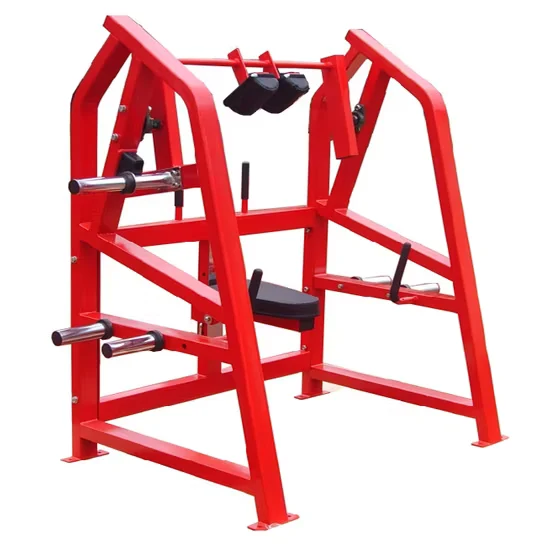
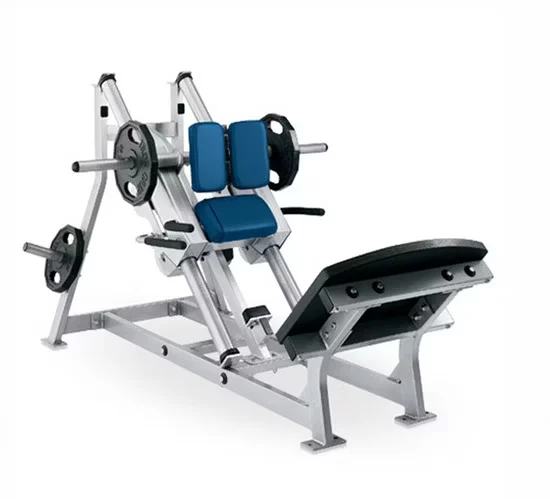
Structural Rigor — Reinforced steel frame and sealed bearings tested for 10,000 hours of continuous high-frequency gym operation.
Technical Specifications
| Parameter | Value |
|---|---|
| Designation | Commercial Abductor Machine |
| Product Type | Strength Training Equipment (Abductor / Outer Thigh) |
| Model NO. | 5026 |
| Exercise Part | Leg |
| Material | Steel |
| Resistance Type | Weight stack |
| Max User Weight | 180kg |
| Product Dimensions | 1690730750mm |
| Net Weight | 139kg |
| Certification | ISO 9001, CE |
| Appliance | Community, Gymnasium |
| Fit Area | Professional Gym and Club |
| Transport Package | Plywood Case |
| Production Capacity | 500 PCS/Month |
| OEM/ODM | Available |
Application Suitability
| Deployment Scenario | Typical Use |
|---|---|
| hotel fitness center on guest room floors | Hip abductor training in 24-hour access environments where low noise transfer matters |
| chain gym cardio zone | High-frequency outer thigh work between cardiovascular stations |
| corporate wellness room | Compact lower-body strengthening for rotating employee groups |
| high-end residential home gym | Dedicated hip stability training without structural vibration concerns |
| sports performance training center | Athlete lateral strength and glute medius activation protocols |
What Happens When Strength Machines Fail Under Continuous Rotation
Bearing wear and frame loosening are the silent killers of member retention in shared fitness spaces.
Facility operators rarely notice degradation until a member complains about grinding noises or uneven resistance through the movement arc. By that point, the internal bearings have already worn past tolerance, and the pivot points develop lateral play that changes the biomechanical path of the commercial abductor machine outer thigh gym equipment. We have seen weight-stack machines pulled from gym floors within eight months because maintenance teams missed the early signs of pulley misalignment and cable fraying [NEED_CITE: weight stack machine maintenance intervals in commercial facilities]. The cost is not just replacement — it is member attrition when regular users lose confidence in the equipment lineup.
Where the Outer Thigh Trainer Fits in a Strength Training Layout
The commercial abductor machine outer thigh gym equipment targets hip abduction through a controlled seated movement pattern, complementing adductor machines, leg press units, and free-weight squat stations. In a typical strength zone, it occupies a mid-traffic position between compound movement racks and isolation equipment, handling moderate to high rotation throughout operating hours. The 1690mm length and 730mm width footprint allows placement along perimeter walls or as part of a dedicated lower-body cluster. Users from smaller to larger body types can adjust the starting position and back pad to maintain consistent range of motion across sessions.
Continuous Load Demands and Deployment Environment Checks
A machine rated for professional gym use must withstand repeated loading cycles across twelve to sixteen hour operating windows without bearing temperature rise or cable stretch. The floor surface beneath the unit requires leveling verification — even minor slope causes the weight stack to pull unevenly against the guide rods, accelerating wear on one side. Ventilation around the machine matters less than it does for motorized cardio, but sweat accumulation on the pivot joints demands regular wipe-down protocols to prevent corrosion in the sealed bearing housings. Deployment on upper floors of mixed-use buildings calls for vibration isolation pads beneath the feet, particularly when the machine sits above occupied office or retail space [NEED_CITE: vibration transmission standards for strength equipment on suspended floors].
Understanding the Load Path from Weight Stack to Hip Joint
The weight stack system transmits resistance through a cable-and-pulley arrangement to the movement arms, where the user pushes outward against padded levers. Cable diameter and pulley bearing quality determine whether resistance feels smooth or develops dead spots mid-range. Steel guide rods keep the stack aligned during rapid repetitions, and any deviation in rod straightness introduces friction that users perceive as sticking. The pivot axis on a commercial abductor machine outer thigh gym equipment must align closely with the hip joint center of rotation; when it drifts, the user compensates with lumbar shifting or knee tracking errors. Adjustable back pads and starting positions address different femur lengths, ensuring the resistance curve matches the user’s actual strength profile through the full abduction arc.
The Hidden Cost of Underspec’d Structural Components
Machines built with lighter gauge tubing and consumer-grade bearings begin showing fatigue cracks near weld points when subjected to repeated 150kg-plus loading cycles. The commercial abductor machine outer thigh gym equipment must carry users up to 180kg while maintaining frame rigidity — any flex in the main structure translates to movement wobble that degrades training accuracy. Facilities that sourced lower-cost alternatives report pulling machines from rotation within the first year, replacing pivot bearings and realigning cable systems far earlier than projected maintenance schedules allowed [NEED_CITE: structural fatigue patterns in commercial strength equipment]. Data gaps also emerge when equipment cannot report usage cycles to facility management systems, leaving operators guessing which machines need preventive attention.
Why This Lineup Holds Up in Demanding Facilities
Every unit in this product family undergoes 10,000-hour continuous operation testing on frames, bearings, and load-bearing welds before entering the catalog. The commercial abductor machine outer thigh gym equipment sits within a complete six-series cardio and strength range, so facilities can source an entire floor from one manufacturing source with matched finish and pad specifications. OEM customization extends to pad color, frame finish, and weight stack increments, with flexible minimum order quantities for chain deployments. The 3D layout service covers machine spacing, member flow paths, and ventilation gaps — critical when placing a 1690mm unit into a tight lower-body training cluster. Technical support runs around the clock, with spare parts documentation covering every bearing, cable, and pulley in the assembly.
Documentation & Test Records
- CE declaration of conformity for the abductor machine frame and moving parts
- EN 957 test report covering static and dynamic load verification
- ISO 9001 certificate from the manufacturing quality system
- Durability test record documenting 10,000-hour continuous cycle results
- Weight stack and cable specification sheet with pulley bearing details
- Installation guide covering floor leveling and anchor point requirements
Installation, Commissioning & Maintenance
- Maintain minimum 600mm clearance on all sides of the 1690730750mm footprint for user entry and plate loading
- Verify floor level within tolerance before securing the base feet; use shims if necessary to prevent weight stack binding
- Inspect cable tension and pulley alignment after the first 500 cycles, then monthly under high-frequency rotation
- Lubricate guide rods with manufacturer-specified grease at intervals matching facility usage density
- Wipe down pivot joints and pad contact surfaces daily to prevent sweat corrosion on bearing seals
- Check weight stack selector pin engagement weekly to prevent partial-plate drops during use
Sourcing the Right Configuration for Your Facility
Share your strength zone floor plan and target equipment count to receive a 3D layout covering machine spacing, member traffic flow, and maintenance access corridors. Specify expected daily usage hours so we can confirm whether standard bearing specifications meet your rotation demands or if upgraded components are warranted. Identify the deployment floor and adjacent occupied spaces to determine whether vibration isolation pads are necessary beneath the unit. Confirm whether weight stack increments and pad materials need customization to match your existing equipment lineup or brand standards.
Frequently Asked Questions
Q: What structural differences separate commercial strength machines from lighter-duty equivalents?
A: Commercial units use thicker-walled steel tubing, larger-diameter pivot bearings, and higher-grade cable systems designed for continuous multi-user rotation. The frame must handle repeated loading near maximum user weight without flex or weld fatigue. Consumer machines typically reduce material cost at these exact points, which is where failures appear first under gym conditions.
Q: How do bearing and pulley quality affect long-term machine performance?
A: Sealed bearings at every pivot point prevent contamination from dust and sweat, maintaining smooth rotation over thousands of cycles. Pulleys with precision bearings eliminate cable tracking issues that cause uneven resistance and premature cable fraying. When these components degrade, users feel grinding or dead spots through the movement range.
Q: Why does movement path alignment matter on an abductor machine?
A: The pivot axis must match the user’s hip joint center of rotation. Misalignment forces compensatory movements in the lower back and knees, reducing training effectiveness and increasing discomfort. Adjustable starting positions and back pads help accommodate different body proportions while keeping the resistance curve accurate.
Q: How should facility layout account for strength equipment placement?
A: Adequate spacing between machines supports member flow during peak hours and provides maintenance access to cable systems and weight stacks. Floor leveling prevents binding in guide rods. Positioning heavy-use units away from quiet zones reduces noise transfer concerns in mixed-use buildings.
Q: What does routine maintenance look like for a commercial weight stack machine?
A: Daily sweat wipe-downs protect bearings and pads. Monthly cable tension checks prevent slack and tracking issues. Guide rod lubrication at manufacturer-specified intervals keeps the stack moving smoothly. Selector pin inspection ensures full plate engagement during use, preventing partial-load drops that damage the stack.