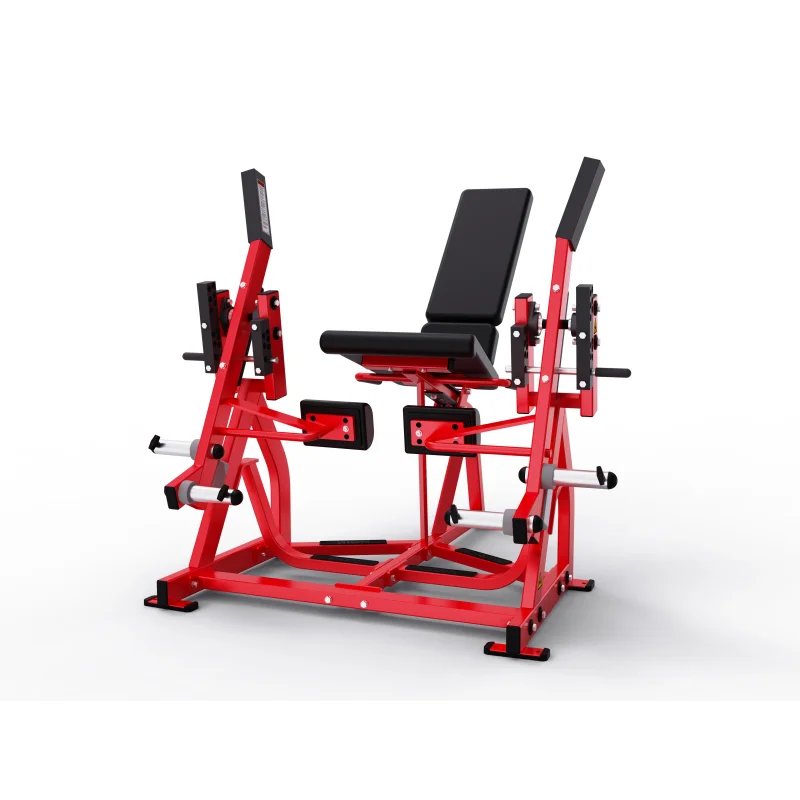
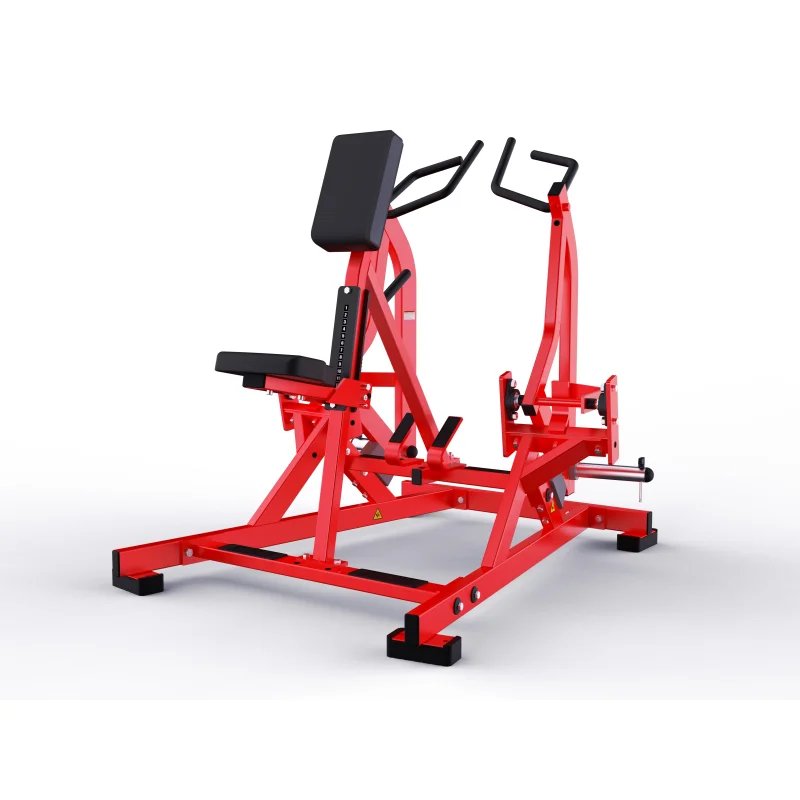
Zero-Electrical Fault Points — Manual resistance design eliminates motor, belt, and electronic control failures, reducing maintenance demands in high-frequency training environments.
Technical Specifications
| Parameter | Value |
|---|---|
| Product Type | Stand Calf Raise Machine |
| Model NO. | 5078 |
| Power Source | Manual |
| Exercise Part | Calf |
| Resistance Type | Manual / Self-Loaded |
| Frame Material | Steel |
| Dimensions | 1390 × 1260 × 1700 mm |
| Net Weight | 116 kg |
| Foldable | Unfolded |
| Age Group | Adult |
| Gender | Unisex |
| Customization | Available |
| Certification | ISO 9001, CE |
Application Suitability
| Deployment Scenario | Typical Use |
|---|---|
| Chain gym strength zone | High-frequency lower-leg isolation training between compound lift stations |
| Corporate wellness room | Compact calf and ankle conditioning for time-constrained employees |
| Community fitness center | Durable station for daily member use with minimal upkeep |
| Professional sports training center | Heavy-load explosive calf development for field and court athletes |
| High-end residential home gym | Dedicated calf station for users prioritizing structural rigidity |
Why Heavy-Duty Framing Matters More Than Smart Features on a Calf Raise Station
Structural rigidity determines service life in commercial strength zones, not electronic add-ons.
When stand calf raise machines endure hundreds of loaded repetitions daily, the frame and weld joints absorb constant vertical force cycles. In gym environments where equipment sees continuous rotation from open to close, minor frame flex accumulates into fatigue cracks at weld seams. I’ve seen facilities replace entire stations within a year because light-gauge steel could not handle repeated heavy loading [NEED_CITE: frame fatigue failure rates in commercial strength equipment]. The commercial stand calf raise machine avoids this by anchoring its performance in mass and weld integrity rather than features that introduce failure points.
Positioning Within the Strength Training Floor Layout
This stand calf raise machine targets isolated gastrocnemius and soleus engagement through full-range ankle extension under load. It occupies a dedicated station role, typically placed adjacent to leg press or hack squat units to create a coherent lower-body training cluster. The 1390 × 1260 mm footprint fits standard commercial spacing grids while leaving adequate clearance for loading plates and user passage. The 1700 mm height accommodates overhead pad adjustment for users across a broad height range, making it suitable for mixed-demographic gym floors where equipment must serve varying body proportions.
Deployment Density and Continuous Use Environment
In facilities operating from early morning to late evening, this calf raise station faces near-constant loading cycles without motor cool-down periods because its manual resistance design generates no heat buildup. Noise transmission is negligible since there is no motor vibration to propagate through floor slabs — a meaningful advantage when strength zones sit above occupied spaces [NEED_CITE: structural vibration transmission in multi-floor fitness facilities]. The 116 kg steel frame provides inherent stability on standard rubber flooring without requiring bolted anchoring. Ground leveling should be verified during installation to prevent uneven load distribution across the foot platform under heavy training loads.
Decoding the Manual Resistance and Frame Engineering
The manual loading system relies on gravity and plate-based weight addition rather than magnetic or pneumatic resistance mechanisms. This approach eliminates electronic control units, sensors, and wiring harnesses — components that account for a significant share of service calls in motorized equipment. The 116 kg net weight reflects substantial steel section usage throughout the frame, contributing to platform rigidity during bilateral and unilateral calf raises. Unfolded construction preserves full structural continuity at hinge points that folding designs would compromise. The welded steel frame distributes vertical loads through triangulated support members, reducing stress concentration at individual joints during peak-force repetitions.
What Lightweight Frame Specs Cost Over Time
Facilities that procure underweight calf raise stations often encounter weld separation at the shoulder pad support arm within the first heavy-use cycle. Frame flex under load also degrades training quality — users feel instability and reduce working weight, undermining the purpose of the station [NEED_CITE: user load reduction behavior on unstable platforms]. Lightweight frames may also shift during explosive repetitions, creating floor scuffing and requiring frequent repositioning. The accumulated cost of weld repairs, pad replacements, and member complaints typically exceeds the price difference of specifying a heavier, structurally verified unit from the outset.
Why This Product Line Holds Up Under Continuous Commercial Load
The 10,000-hour durability testing protocol applies across all six cardio and strength series, ensuring components are validated for continuous high-frequency operation before leaving the factory. The 3D layout planning service accounts for this calf raise station’s specific footprint and safety clearance requirements within the broader strength zone arrangement. OEM customization extends to frame color, pad material density, and brand logo placement, allowing chain operators to maintain visual consistency across locations. The vertical integration from CNC machining through final assembly means weld quality and frame tolerances are controlled in-house rather than outsourced. 24/7 technical support covers structural and mechanical inquiries without delay.
Documentation & Test Records
- CE declaration of conformity for commercial fitness equipment compliance
- EN 957 test report covering structural integrity and safety requirements
- ISO 9001 certificate verifying quality management across production stages
- Frame durability test record under cyclic loading conditions
- Material specification sheet for steel grade and section thickness
- Spare parts list with replacement pad and bushing identifiers
Installation, Commissioning & Maintenance
- Position the 1390 × 1260 mm footprint with minimum clearance on all sides for plate loading and user access
- Verify floor levelness before placement to prevent frame torsion under the 116 kg steel structure
- Inspect all weld joints and bolt connections after the first week of member use
- Check shoulder pad density and mounting hardware quarterly under heavy-use conditions
- Clean foot platform surface regularly to prevent sweat corrosion on steel components
- Lubricate guide rod and slider bushings per maintenance schedule to maintain smooth travel
Request a Facility-Specific Equipment Assessment
Provide your strength zone square footage and existing equipment list to receive a 3D layout plan incorporating this calf raise station with proper spacing and traffic flow. Specify expected daily usage hours and peak-period member volume so duty-cycle matching can be confirmed. Indicate whether the deployment floor sits above occupied spaces to determine if additional vibration dampening measures are warranted.
Frequently Asked Questions
Q: What is the training difference between a stand calf raise and a seated calf raise machine?
A: Standing calf raises emphasize the gastrocnemius through full ankle extension with the knee straight, while seated variations target the soleus with bent knees. Commercial strength zones typically stock both to provide complete lower-leg development. The stand calf raise machine accommodates heavier absolute loads due to its upright loading geometry.
Q: How can a buyer verify steel frame thickness and welding standards?
A: Request the material specification sheet and weld inspection report from the manufacturer before placing orders. These documents should list steel section dimensions, grade, and weld penetration depth. Independent third-party EN 957 testing further confirms structural performance under cyclic commercial loading conditions.
Q: How does maintenance compare between manual resistance and motorized equipment?
A: Manual resistance machines eliminate motor brushes, drive belts, electronic boards, and wiring from the service schedule. Maintenance focuses on mechanical wear items like bushings, guide rods, and pad surfaces. This significantly reduces both parts cost and technician visit frequency over the equipment lifespan in high-traffic gym environments.
Q: How should strength zone layout address spacing around a calf raise station?
A: Allow adequate clearance behind the unit for plate loading and in front for user approach and exit paths. Adjacent equipment should not block sightlines or create bottleneck zones during peak hours. A 3D layout plan can model member flow patterns to position this station without disrupting traffic through the lower-body training cluster.