

Precision Biomechanics — ISO-Lateral independent arm movement replicates natural hamstring contraction patterns while sealed bearings sustain sub-35dB operation across 10,000 hours of continuous commercial use.
Technical Specifications
| Parameter | Value |
|---|---|
| Designation | 5029 |
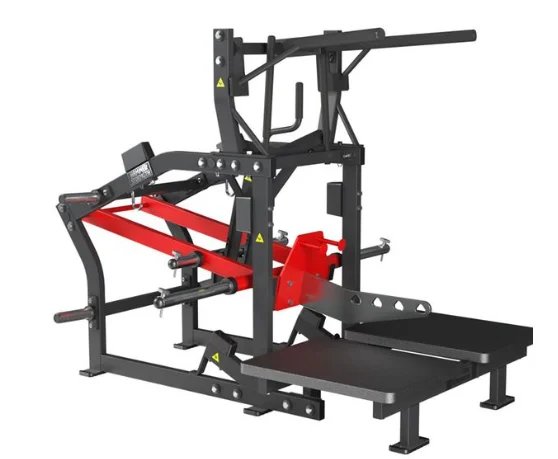
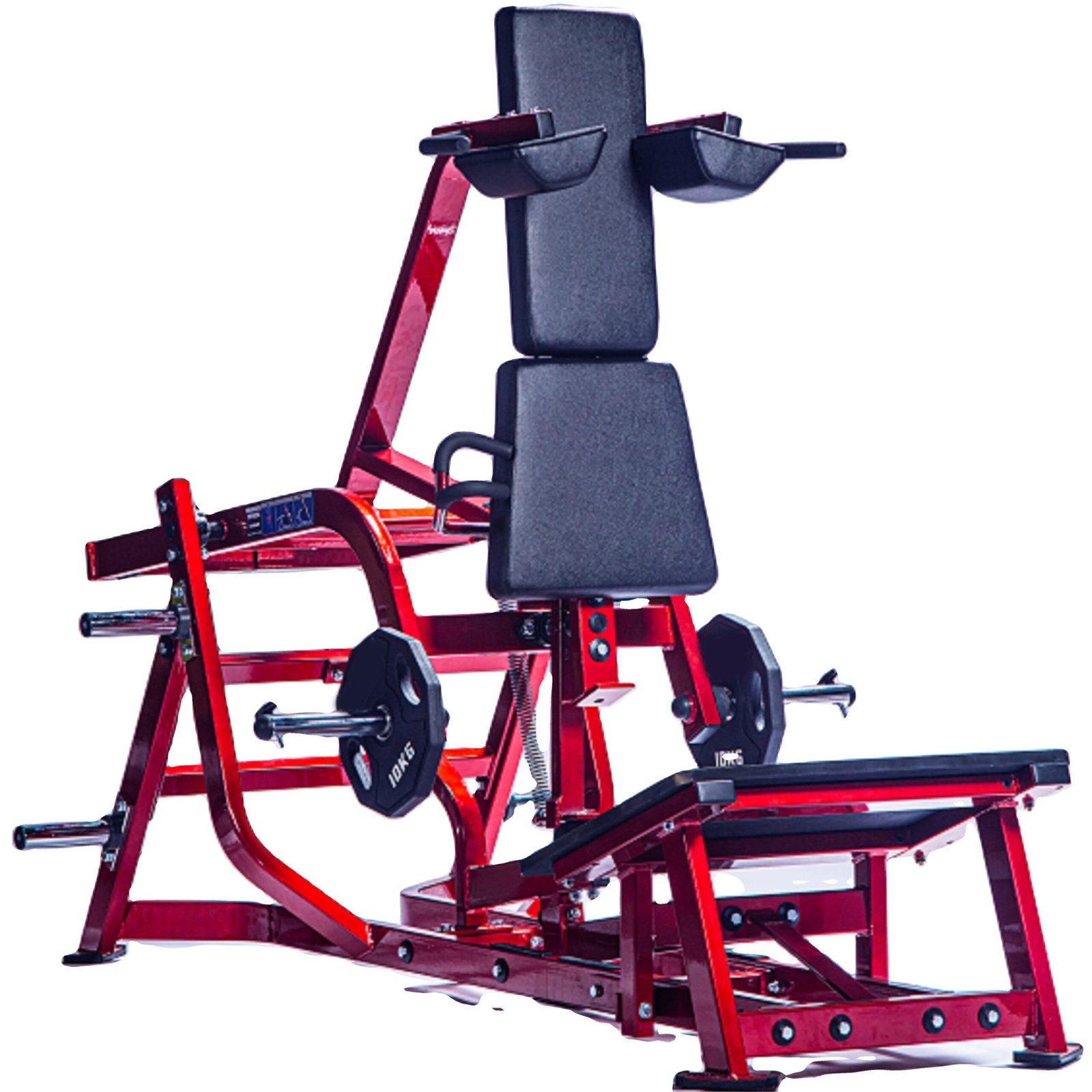
| Product Type | ISO-Lateral Leg Curl Machine |
| Resistance Type | Selectorized weight stack |
| Frame Material | Heavy-duty steel |
| Movement Pattern | ISO-Lateral independent arm |
| Exercise Target | Hamstrings / Leg |
| Max User Weight | 180kg |
| Seat Adjustment | Multi-position |
| Product Dimensions | 1550 × 1300 × 800mm |
| Net Weight | 128kg |
| Age Group | Adult |
| Gender | Unisex |
| OEM/ODM | Available |
| Production Capacity | 500 PCS/Month |
| Certification | ISO 9001, CE |
Application Suitability
| Deployment Scenario | Typical Use |
|---|---|
| Hotel fitness center on guest room floors | 24/7 self-service hamstring training with minimal noise transfer to adjacent rooms |
| Chain gym strength zone | High-frequency selectorized leg work between free-weight stations |
| Corporate wellness room | Compact footprint lower-body training for employees during breaks |
| Sports performance training center | Independent-arm isolation work for athlete hamstring conditioning |
| Community recreation facility | Durable, low-maintenance leg curl access for members of varying fitness levels |
Why Fixed-Track Leg Curls Drive Members to Complain at the Front Desk
ISO-Lateral independent arm design eliminates the single-axis shear force that fixed-track machines impose on the knee joint.
Traditional leg curl machines lock both legs into one rigid movement path. When a member’s left and right limbs differ even slightly in length or strength, the fixed pivot point generates uneven torque across the knee. Over weeks of repeated use, that cumulative shear force translates into joint discomfort reports, declining rebooking rates, and eventually equipment that sits empty in the corner of the strength zone. The ISO-Lateral Leg Curl Machine from the 5029 lineup addresses this directly by letting each leg follow its own natural arc [NEED_CITE: biomechanical stress comparison between fixed-track and ISO-lateral resistance machines]. Facility operators who replaced fixed-track units with independent-arm designs consistently observe higher repeat usage and fewer complaints about post-workout knee soreness.
Role Within the Strength Zone Equipment Matrix
This ISO-Lateral Leg Curl Machine occupies the posterior-chain isolation slot in any commercial strength layout. It complements compound movements performed on leg press and squat rack stations by providing targeted hamstring work without spinal loading. The independent-arm design serves users across a broad height and limb-length range, so a single unit covers the membership without requiring multiple frame sizes. In high-traffic chain gym environments, it sits naturally between plate-loaded and functional training zones, handling moderate-to-high use density throughout operating hours. The selectorized weight stack allows rapid load changes, keeping member turnover efficient during peak periods.
Continuous Operation and Floor-Level Deployment Constraints
The 128kg steel frame and sealed bearing assemblies are engineered for continuous commercial duty cycles, meaning the unit withstands repeated loading and unloading across extended operating hours without pivot-point degradation. Noise transmission matters when the equipment is deployed on upper hotel floors or above occupied office spaces — the sealed bearings and optimized weight-stack guide rails reduce metal-on-metal friction that generates structure-borne vibration [NEED_CITE: vibration transfer standards for fitness equipment on suspended floor slabs]. Adequate clearance on all four sides ensures safe entry and exit, while a level substrate with anti-vibration padding prevents micro-movement that accelerates bearing wear. Standard commercial power is not required for the mechanical resistance system, simplifying electrical planning for multi-floor deployments.
Selectorized Resistance and Bearing Engineering Explained
The ISO-Lateral independent arm mechanism uses separate pivot points for each leg, allowing the resistance curve to match the natural strength profile of the hamstring through its full range of motion. Unlike fixed-track designs that force both limbs through a single cam path, independent arms accommodate asymmetry in muscle development — a common reality for athletes recovering from unilateral injury or members with natural strength imbalances. The sealed bearing specification is critical here: open bearings attract chalk dust and sweat residue, increasing rotational friction and generating noise over time. Sealed units maintain smooth pivot action across the 10,000-hour durability benchmark without scheduled re-lubrication. The multi-position seat and adjustable back pad allow precise alignment of the knee joint with the machine’s pivot axis, which is the single most important setup variable for effective hamstring isolation.
The Hidden Cost of Underspec’d Pivot Hardware
Weight-stack guide rails that lack precision machining produce audible scraping on every repetition — a problem that intensifies as dust accumulates and lubrication degrades. In a hotel fitness center, that scraping transmits through floor structures and reaches guest rooms directly below, generating noise complaints that arrive at the front desk long before maintenance receives a work order. Pivot bearings rated for light-commercial duty cycles develop play under continuous high-frequency use, causing the independent arms to wobble and the resistance feel to become inconsistent. Members notice the degradation before operators do, and they simply stop using the machine [NEED_CITE: member attrition patterns linked to equipment degradation in commercial facilities]. Replacing an entire bank of under-specified leg curl units is far more disruptive than selecting properly rated hardware at the procurement stage.
Why This Product Line Earns Its Place in the Facility
The sub-35dB noise floor verified in hotel deployments means this leg curl unit can operate on guest-room floors without triggering acoustic complaints, even during late-night sessions. Frame welds and bearing assemblies pass 10,000-hour continuous operation testing, aligning with the duty-cycle expectations of international gym chains running sixteen-hour days. Full OEM and ODM capability extends to frame color and pad upholstery, allowing brand consistency across a multi-site rollout. The 1550 × 1300 × 800mm footprint is accounted for in complimentary 3D strength-zone layouts that map equipment spacing, member flow paths, and ventilation clearance. Post-delivery, 24/7 technical support and documented spare parts lists keep the unit operational without extended downtime.
Documentation & Test Records
- CE declaration of conformity for the 5029 ISO-Lateral Leg Curl platform
- EN 957 test report covering structural integrity and pinch-point safety
- ISO 9001 certificate for manufacturing quality management systems
- Noise level test report documenting operational decibel readings
- Durability test record validating 10,000-hour bearing and frame performance
- Spare parts list with exploded assembly diagrams
Installation, Commissioning & Maintenance
- Confirm 1550 × 1300mm footprint with minimum clearance zones on all sides for safe user entry
- Install on level substrate with anti-vibration padding to isolate structure-borne noise transfer
- Align seat pivot axis to user knee joint during commissioning and verify full range of motion
- Inspect sealed bearing pivot assemblies quarterly for play or rotational resistance increase
- Clean weight-stack guide rails monthly to prevent dust accumulation and maintain smooth travel
- Check upholstery and pad mounting bolts for tightness during scheduled maintenance intervals
Specifying the Right Configuration for Your Facility
Provide your strength-zone square footage and planned equipment list to receive a 3D layout that positions this unit within the member flow and accounts for ventilation gaps. Specify expected daily usage hours so the duty-cycle rating can be confirmed against your operating schedule. Indicate deployment floor level and adjacent occupied spaces to verify that the noise profile meets your acoustic requirements. State your target market region so voltage and labeling standards are addressed before production.
Frequently Asked Questions
Q: How does ISO-Lateral design differ from a fixed-track leg curl machine?
A: Fixed-track machines force both legs through a single pivot path, which creates uneven knee torque when limbs differ in length or strength. ISO-Lateral independent arms allow each leg to follow its own natural arc, reducing joint shear and accommodating asymmetry. Members typically report noticeably less post-workout discomfort compared to fixed-track units.
Q: What seat adjustment range does the 5029 support for different user heights?
A: The multi-position seat and adjustable back pad accommodate a broad range of adult body sizes. Proper setup requires aligning the user’s knee joint with the machine’s pivot axis, which is achievable across most adult height ranges through the available adjustment positions documented in the installation guide.
Q: What maintenance do the sealed bearings require?
A: Sealed bearings are designed to operate without scheduled re-lubrication throughout their service life. Quarterly inspection for rotational play or increased resistance is recommended. If degradation is detected, replacement bearing assemblies are available through the documented spare parts list and can be swapped without specialized tooling.
Q: How does the footprint affect strength-zone layout planning?
A: The 1550 × 1300 × 800mm footprint requires surrounding clearance for safe user entry, exit, and full range of motion. Complimentary 3D layout planning accounts for this spacing along with adjacent equipment sightlines, member flow corridors, and ventilation requirements to ensure the unit integrates without congestion.
![Commercial Barbell Rack Steel Storage Equipment for Gym Use [WARN] draft identifier mismatch](https://bicksport.com/wp-content/uploads/2026/08/commercial-barbell-rack-steel-storage-equipment-for-gym-use-warn-draft-identifier-mismatch-3b015b.webp)
![MTS-8013 Iso-Lateral Seated Leg Curl | Commercial Gym Equipment [WARN] draft identifier mismatch](https://bicksport.com/wp-content/uploads/2026/08/mts-8007-iso-lateral-high-row-gym-machine-for-commercial-gyms-warn-draft-identifier-mismatch-d8af61.webp)