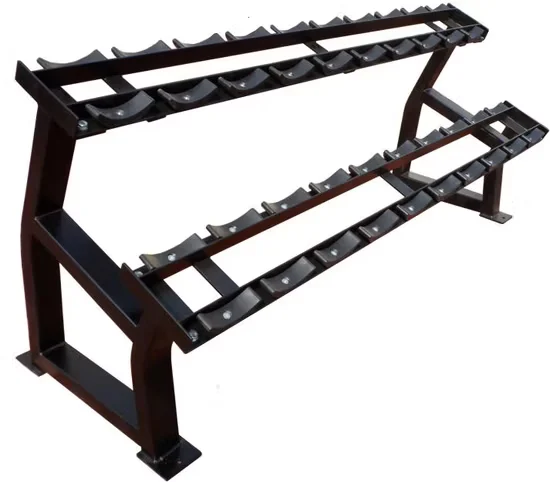
Commercial Steel Frame — OS-H5054 back extension is engineered for high-frequency load cycles in 24/7 gym environments without structural flex or pivot degradation.
Technical Specifications
| Parameter | Value |
|---|---|
| Designation | OS-H5054 |
| Product Type | Back Extension |
| Exercise Part | Back |
| Material | Steel |
| Net Weight | 42kg |
| Product Dimensions | 1552 × 771 × 876 mm |
| Max User Weight | 180kg (commercial range standard) |
| Color Options | Optional |
| OEM Customization | Available |
| Certification | ISO 957, CE |
| Warranty | Commercial-grade coverage available |
Application Suitability
| Deployment Scenario | Typical Use |
|---|---|
| International chain gym strength zone | High-frequency member use for posterior chain development and lower back conditioning |
| Hotel fitness center on guest room floors | Quiet, self-contained operation suitable for 24-hour access without noise complaints |
| Corporate wellness room | Compact footprint deployment for employee back health and injury prevention programming |
| Professional sports training center | Athlete-grade structural rigidity for loaded hyperextension and rehabilitation protocols |
| High-end residential home gym | Low-maintenance, steel-framed unit for daily core and glute training routines |
Why Frame Flex Drives Member Attrition in Busy Strength Zones
Light-gauge frames wobble under repeated load, compromising form and eroding member trust.
I have seen budget back extensions deployed in high-traffic facilities develop visible frame deflection within months. The pivot points loosen, the pads shift, and members stop using the station entirely [NEED_CITE: structural fatigue patterns in light-commercial strength equipment]. A commercial back extension machine gym operators invest in must hold its geometry through thousands of loading cycles without introducing lateral play. This is the reason reinforced steel construction and sealed pivot bearings matter — they are not specification padding, they are the difference between an asset and a liability on the gym floor.
Where the OS-H5054 Fits in a Configured Strength Floor
This commercial back extension machine gym operators deploy covers posterior chain loading for users ranging from general fitness members to competitive athletes. It complements squat racks, cable columns, and hip thrust stations by isolating the erector spinae, glutes, and hamstrings without requiring barbell setup. The 1552 × 771 mm footprint slots into dedicated hip-and-back corners or auxiliary strength islands without disrupting main traffic lanes. Pad geometry accommodates a wide torso-length range, so members of varying heights can set their hip crease correctly against the fulcrum.
Deployment Density and Environmental Load Requirements
Units in 24/7 gym environments endure near-continuous member rotation, meaning pivot bearings and pad compression must perform without scheduled downtime windows [NEED_CITE: continuous-duty requirements for commercial gym strength equipment]. This unit weighs 42 kg net, so floor anchoring or anti-walk pads are recommended on polished concrete to prevent migration during high-rep sets. For hotel fitness centers on guest room floors, the absence of motor-driven noise makes this a quiet neighbor to occupied rooms above or beside. Standard commercial voltage is not a factor for a purely mechanical unit, eliminating the plug-standard mismatches that delay cardio deployments.
Steel Gauge, Pivot Sealing, and Pad Density Explained
The steel frame construction provides the structural rigidity that separates commercial-grade from light-commercial equipment. Thicker gauge tubing at the pivot junction resists the cyclic bending forces generated when loaded members push through full range of motion. Sealed pivot points prevent chalk dust, sweat residue, and floor cleaning chemicals from infiltrating the bearing surfaces — a common failure vector in open-bush designs that leads to grinding and eventual play. Pad cushioning density is calibrated for repeated compression: too soft and the foam bottoms out within months, too firm and the hip contact point bruises users during weighted sets. The result is a commercial back extension machine gym operators can spec without second-guessing pad replacement timelines.
The Hidden Cost of Specifying Below Commercial Grade
Facilities that deploy light-duty back extensions face a predictable cycle: pivot loosening within the first quarter, pad compression flattening by month six, and full unit replacement before the second year [NEED_CITE: replacement cycle comparison between commercial and light-commercial strength units]. The member experience degrades quietly — nobody files a complaint, they simply avoid the station, and the floor plan develops dead zones. For international gym chains standardizing across dozens of locations, inconsistent frame quality means divergent maintenance schedules and unpredictable parts consumption. Sourcing a commercial back extension machine gym buyers can trust across all sites eliminates this operational variance.
Why This Product Line Holds Up Under Continuous Use
Every unit in this line undergoes 10,000-hour durability testing on load-bearing components, including pivot bearings and frame welds. The OS-H5054 benefits from the same ISO-certified manufacturing process applied to our cardio range, meaning quality control rigor is not segmented by equipment category. Full OEM customization — frame color, pad upholstery, logo placement — allows facility operators to match branding standards without sourcing from multiple vendors. For operators planning complete strength zones, our team provides 3D layout planning that accounts for member flow around the back extension, cable machines, and free-weight areas. 24/7 technical support covers installation guidance and spare parts coordination for every market we ship to.
Documentation & Test Records
- CE declaration of conformity covering mechanical safety requirements
- EN 957 test report for stationary training equipment strength and stability
- ISO 9001 certificate for manufacturing quality management system
- Durability test record documenting pivot and frame cycle performance
- Complete spare parts list with OEM ordering references
Installation, Commissioning & Maintenance
- Position the 1552 × 771 mm base with minimum 600 mm clearance on all sides for safe member entry and exit
- Level on solid flooring using adjustable feet; apply anti-walk pads on polished concrete surfaces
- Inspect sealed pivot bearings quarterly and replenish grease per maintenance schedule to eliminate play
- Check pad mounting bolts monthly under high-frequency use to maintain secure hip and ankle contact
- Clean upholstery with pH-neutral solution to prevent sweat salt degradation of pad foam and covering
- Verify frame welds visually during annual structural audit per commercial facility protocols
Planning Your Strength Zone Equipment Order
Provide your total strength area square footage and target member capacity so we can generate a 3D layout with traffic flow analysis. Specify whether units will be deployed on upper floors adjacent to occupied spaces, as this may influence anti-vibration pad selection. Confirm your target market so all hardware and labeling comply with local standards. Indicate whether OEM color matching or console branding integration is required for your facility design theme.
Frequently Asked Questions
Q: What distinguishes commercial-grade frame construction from light-commercial on a back extension?
A: Commercial frames use thicker gauge steel tubing at stress junctions, particularly where the pivot axis meets the base. This prevents the progressive frame flex that light-commercial units develop under repeated loaded use. Weld penetration and inspection standards are also stricter, ensuring the frame maintains its geometry through years of high-frequency member cycles without requiring structural intervention.
Q: How often do the pivot bearings need lubrication under heavy gym traffic?
A: Sealed pivot points on this unit significantly extend lubrication intervals compared to open bushings. Under typical commercial gym traffic, quarterly inspection is sufficient. The sealed design prevents chalk dust and cleaning chemicals from entering the bearing surface, which is the primary cause of premature wear in unprotected pivot assemblies.
Q: What is the realistic pad replacement timeline in a busy facility?
A: High-density foam pads on this unit are engineered to resist compression set under continuous member use. In high-traffic commercial environments, pads typically maintain their structural integrity and comfort profile for several years before requiring replacement. Actual timelines depend on daily usage volume and whether members routinely drop weighted plates onto the pad surface.
Q: What customization options are available for OEM orders?
A: Full frame color matching, pad upholstery selection, and logo application are available at flexible minimum order quantities. Console branding integration is applicable if the unit is specified alongside electronically monitored equipment. Lead times depend on customization scope and order volume, and are confirmed during the quotation stage.
Q: How should back extension stations be positioned within a mixed-use strength zone?
A: Place the unit in a dedicated hip-and-back cluster or as an auxiliary station near cable columns and squat racks. Allow sufficient clearance for members performing full range-of-motion extensions without encroaching on adjacent equipment zones. Sightline planning should ensure the station remains visible from the main floor to encourage utilization.