
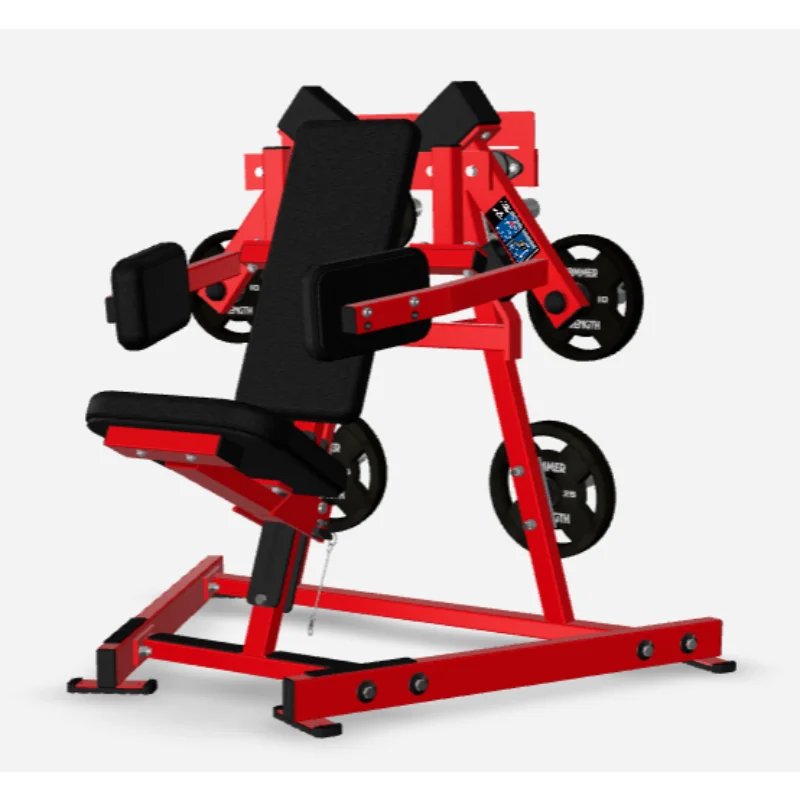
![H5027 Commercial Adductor Machine Integrated Gym Trainer for Gyms [WARN] draft identifier mismatch](https://bicksport.com/wp-content/uploads/2026/08/h5027-commercial-adductor-machine-integrated-gym-trainer-for-gyms-warn-draft-identifier-mismatch-7e7237.webp)
H5027 Commercial Adductor Machine Integrated Gym Trainer for Gyms
Manual Resistance Integrity — Eliminates motor noise entirely while maintaining consistent tension throughout the adductor movement arc for shared facility deployment.
Technical Specifications
| Parameter | Value |
|---|---|
| Designation | H5027 |
| Product Type | Adductor Machine |
| Resistance Type | Manual |
| Main Frame Material | Steel |
| Product Dimensions | 1690 × 730 × 750 mm |
| Net Weight | 139 kg |
| Foldable | Unfolded |
| Main Frame Color | Available per customer requirements |
| Cushion Color | Available per customer requirements |
| Power Source | Manual (no electrical requirement) |
| OEM/ODM | Acceptable |
| Certification | ISO 9001, CE |
Application Suitability
| Deployment Scenario | Typical Use |
|---|---|
| hotel fitness center on guest room floors | Dedicated adductor isolation for guests seeking quiet strength training without motor noise |
| chain gym cardio zone | High-frequency inner thigh strengthening within circuit or accessory training areas |
| corporate wellness room | Space-efficient adductor station complementing limited strength equipment layouts |
| community fitness center | Durable steel-framed trainer accommodating diverse member usage patterns |
| professional sports training center | Targeted adductor work for athlete rehabilitation and performance conditioning |
Why Noise Complaints Never Reach the Front Desk With This Unit
Manual resistance architecture removes the primary noise source from the strength training floor.
Multi-story fitness facilities routinely face noise complaints when equipment operates above or beside occupied rooms. Motorized resistance systems generate continuous electromagnetic hum and mechanical vibration that transfers through floor structures. [NEED_CITE: acoustic transmission standards for commercial fitness equipment in multi-story buildings] The H5027 commercial adductor machine integrated gym trainer operates without any motor or electrical components, producing only the natural sound of padded contact points during use. This makes it suitable for deployment on upper floors of hotel properties and residential fitness centers where noise mitigation is a contractual requirement rather than a preference.
Positioning Within the Strength Training Layout
The H5027 commercial adductor machine integrated gym trainer occupies a dedicated isolation role within the strength zone, complementing compound movement stations such as leg press and squat racks. It serves users requiring targeted inner thigh engagement that free weights and multi-function machines cannot adequately address. The unfolded footprint accommodates a range of user statures while the steel frame supports adult body weights up to the structural rating. Deployment typically positions this unit along perimeter walls or in accessory training corridors where users can complete isolation work without disrupting traffic flow through primary training aisles.
Deployment Environment and Continuous Operation Requirements
Manual resistance systems eliminate electrical infrastructure requirements entirely, removing concerns about voltage compatibility and dedicated circuits during international shipments. The unit requires a level floor surface with standard rubber matting beneath the contact points to prevent frame transfer during high-repetition use. [NEED_CITE: floor loading specifications for commercial strength equipment in multi-story structures] Facilities deploying multiple units should maintain adequate spacing for user entry and exit while allowing ventilation airflow around the steel frame. Since no motor generates operational heat, the equipment can be positioned in confined spaces without thermal management considerations.
Manual Resistance Mechanics and Frame Construction
The manual resistance system relies on mechanical friction or weight-stack principles rather than electromagnetic braking, delivering tension that remains consistent regardless of facility power fluctuations. Steel frame construction provides the rigidity necessary to withstand lateral forces generated during adductor movements without frame flex or weld stress. The 1690 × 730 × 750 mm footprint reflects engineering decisions that prioritize user range of motion and seat adjustment travel over minimum footprint optimization. Weight distribution across the 139 kg frame anchors the unit during vigorous use without requiring permanent floor mounting. Upholstery density and material selection address sweat resistance and cleaning chemical compatibility typical of commercial maintenance protocols.
The Cost of Specification Compromise in Strength Equipment
Facilities that procure light-commercial rated adductor machines frequently experience premature frame fatigue and weld cracking when subjected to continuous gym traffic patterns. Cushion foam that compresses within months generates member complaints about comfort and forces early upholstery replacement cycles. [NEED_CITE: commercial versus light-commercial duty cycle classifications for strength training equipment] Units lacking adequate frame rigidity produce audible creaking during use, creating an impression of poor construction quality even when structural integrity remains intact. International deployments face additional complications when equipment arrives with plug standards or voltage requirements incompatible with local electrical infrastructure, requiring transformer installation or complete rewiring before the unit can enter service.
Why This Product Line Addresses Deployment Pain Points
The manual resistance architecture eliminates the motor failures that plague facilities running motorized equipment under continuous duty cycles. The 10,000-hour durability testing protocol validates frame and bearing performance under conditions that simulate high-traffic gym usage patterns. Steel frame construction meets the structural demands of commercial environments without the premature fatigue observed in equipment rated for lighter use. Full OEM and ODM capability extends to frame color, cushion color, and logo application, allowing facilities to maintain brand consistency across their strength training zones. [NEED_CITE: OEM customization scope for commercial strength equipment manufacturers] The six-series cardio family means facilities can source complementary equipment from a single manufacturing partner, simplifying warranty management and spare parts logistics. Free 3D cardio zone layout planning covers equipment spacing, member flow, and ventilation requirements specific to each deployment space.
Documentation & Test Records
- CE declaration of conformity covering machinery directive requirements for commercial strength equipment
- EN 957 test report validating safety and performance standards for stationary training equipment
- ISO 9001 certificate demonstrating quality management system compliance in manufacturing processes
- Noise level test report documenting operational acoustic output under representative load conditions
- Durability test record confirming frame and mechanical component performance over extended cycling
- Installation and commissioning guide with spare parts list for maintenance reference
Installation, Commissioning & Maintenance
- Verify floor level within tolerance specifications before positioning the 1690 × 730 × 750 mm frame footprint
- Install rubber matting beneath contact points to prevent frame transfer during manual resistance cycling
- Confirm adequate clearance around the unfolded unit for user entry, exit, and full range of motion
- Inspect cushion upholstery tension and mounting hardware before placing into member-accessible service
- Establish cleaning protocol using upholstery-safe disinfectants compatible with high-frequency commercial use
- Schedule periodic frame inspection focusing on weld points and mechanical fasteners under load stress
Equipment Selection and Specification Confirmation
Provide your facility floor area and existing equipment inventory to receive a 3D layout addressing equipment spacing, member flow patterns, and ventilation requirements. Specify the expected daily usage volume so we can confirm the manual resistance system aligns with your operational intensity. Identify the deployment floor level and adjacent occupied spaces to validate that the noise profile meets your building requirements. Confirm your target market certification requirements so we can prepare documentation packages before production begins. Indicate whether frame color, cushion color, or branding customization supports your facility identity standards.
Frequently Asked Questions
Q: What is the difference between manual and motorized resistance in commercial strength equipment?
A: Manual resistance systems operate without electrical motors or electromagnetic braking components, eliminating motor-related noise and electrical maintenance requirements. This architecture proves suitable for 24-hour facility operation and deployment on floors above occupied spaces where motor hum would generate complaints. The H5027 commercial adductor machine integrated gym trainer delivers consistent tension through mechanical means rather than electronically controlled resistance curves.
Q: How does steel frame construction impact equipment longevity in high-traffic facilities?
A: Steel frame construction provides the structural rigidity necessary to withstand repeated lateral forces generated during adductor training movements without frame flex or progressive fatigue. Commercial facilities experience equipment lifespans measured in years rather than months when frames maintain dimensional stability under continuous use. The H5027’s 139 kg frame weight reflects material choices that prioritize durability over minimum weight optimization for portable applications.
Q: Can the H5027 be customized with facility branding and color schemes?
A: OEM and ODM customization extends to main frame color, cushion color, and logo application at flexible minimum order quantities. Facilities can match equipment appearance to brand identity standards or coordinate with interior design specifications across their strength training zones. Customization lead times vary based on color availability and logo complexity, so early specification during the inquiry process supports production scheduling.
Q: What maintenance is required for manual resistance adductor machines?
A: Manual resistance systems eliminate motor servicing, electronic calibration, and electrical component replacement from the maintenance schedule. Primary maintenance focuses on cushion upholstery inspection for wear or tearing, mechanical fastener torque verification, and frame weld point inspection under operational load conditions. Cleaning protocols should employ disinfectants compatible with upholstery materials to maintain hygiene standards without degrading cushion surfaces.
Q: How does integrated trainer design optimize floor space in commercial gym layouts?
A: Integrated trainer design consolidates adductor isolation functionality into a single station footprint rather than requiring multiple adjustable machines or free weight accessories. The 1690 × 730 × 750 mm dimensions allow deployment in accessory training corridors or strength zone perimeters where dedicated isolation equipment provides training variety without consuming primary training floor area. This approach supports facilities offering comprehensive movement coverage within space-constrained layouts.
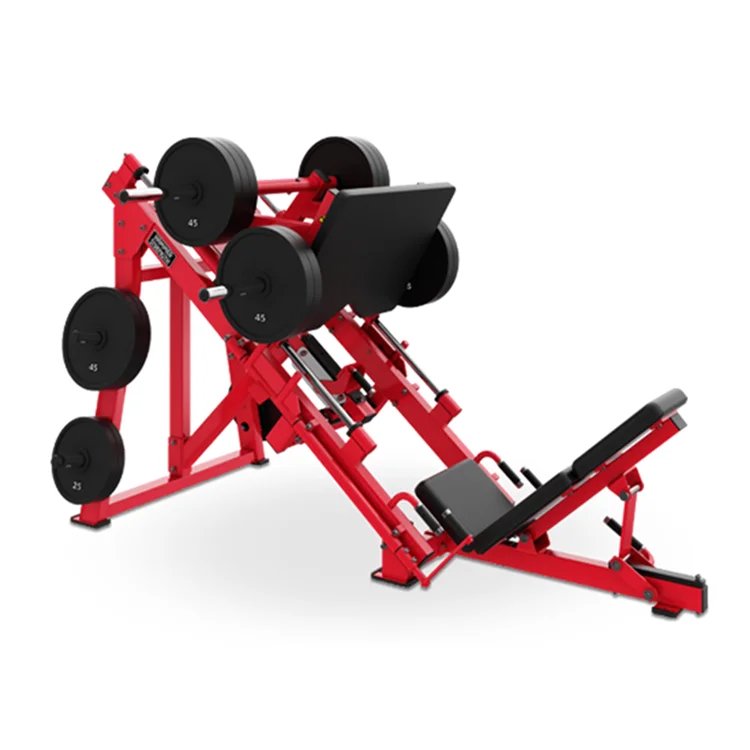
![Commercial Linear Leg Press Machine Hack Squat Gym Equipment [WARN] draft identifier mismatch](https://bicksport.com/wp-content/uploads/2026/08/commercial-linear-leg-press-machine-hack-squat-gym-equipment-warn-draft-identifier-mismatch-987ea1.webp)