Engineered for Impact — High-density rubber compound tested through thousands of drop cycles to resist splitting and deformation in commercial throwing drills.
Technical Specifications
| Parameter | Value |
|---|---|
| Product Type | Medicine Ball |
| Model NO. | WB-2000 |
| Material | High-density rubber |
| Diameter | 303030cm |
| Color | Customized options available |
| Logo | Customized logo available |
| MOQ | 500kg |
| Origin | China |
| HS Code | 9506911000 |
| Production Capacity | 10,000 units/year |
Application Suitability
| Deployment Scenario | Typical Use |
|---|---|
| Commercial gym functional training zone | Wall throws, slams, rotational power drills |
| CrossFit affiliate box | High-repetition wall ball shots and partner tosses |
| Sports performance training center | Explosive power development and core conditioning |
| Physical therapy and rehabilitation clinic | Controlled resistance movements and balance work |
| Group exercise studio | Partner drills and synchronized circuit training |
Why Facility Replacements Start With the Wrong Rubber Compound
High-density rubber resists seam splitting under repetitive impact, keeping equipment on the floor and out of the replacement queue.
Traditional medicine balls in high-volume facilities show surface cracking and weight shift within months of daily throwing sessions. When a ball splits mid-workout or loses its balanced weight distribution, it becomes a safety liability rather than a training tool. Facility operators then face the compounding cost of pulling damaged units from rotation, sourcing replacements, and managing inventory gaps across functional zones [NEED_CITE: material fatigue in high-frequency impact equipment].
Positioning Within the Functional Training Zone
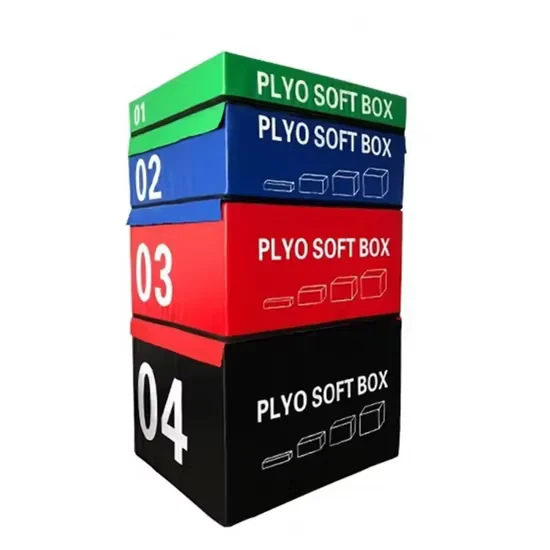
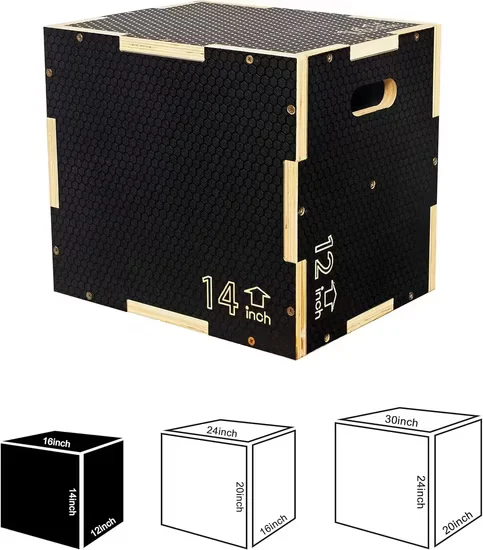
This customizable rubber medicine ball for commercial fitness environments anchors the throwing and rotational work segment of a functional area. It pairs with plyometric boxes for superset sequences and complements cable machines by providing free-movement resistance patterns. The 30cm diameter suits a wide range of hand sizes, supporting users from rehabilitation clients to athletic populations performing high-velocity wall throws.
Drop Cycle Demands and Facility Floor Considerations
Repeated impact against concrete and rubber flooring surfaces requires a shell compound that maintains structural cohesion across thousands of strikes per week. Facilities deploying these balls across group classes and open gym hours should position them on dedicated throwing zones with adequate wall clearance and impact-rated flooring. Proper ventilation in storage areas prevents rubber compound degradation from humidity accumulation [NEED_CITE: flooring requirements for impact training zones].
Material Density and Weight Distribution Explained
The high-density rubber construction provides consistent mass distribution throughout the ball’s volume, preventing the internal shifting that causes off-center weight in cheaper alternatives. The 30cm specification delivers a grip profile compatible with two-handed overhead throws, chest passes, and single-arm rotational work. Custom color and logo options allow facilities to maintain brand cohesion across equipment sets or differentiate weight classes visually when multiple sizes are deployed.
What Premature Equipment Rotation Actually Costs
Facilities that source medicine balls without verifying rubber compound quality face predictable replacement cycles. Balls that split at the seams or develop flat spots force staff to cull inventory, leaving functional zones under-equipped during peak hours. The operational friction of tracking damaged units and processing reorders compounds across multi-location chains where consistency matters for member experience [NEED_CITE: equipment lifecycle tracking in commercial fitness facilities].
Why This Line Fits Commercial Procurement
The high-density rubber formulation undergoes drop testing that simulates months of wall throws and floor slams. The 500kg minimum order quantity aligns with chain gym rollouts and distributor stocking requirements. Custom color and logo capabilities support brand-standard equipment across franchise locations. Production capacity accommodates large-volume orders without extended lead times, and the 30cm specification standardizes grip dimensions across weight variants.
Documentation & Test Records
- Material composition and density certification
- Drop cycle durability test report
- Weight tolerance verification sheet
- Custom logo colorfastness test results
- Product specification and dimension sheet
Installation, Commissioning & Maintenance
- Store in ventilated racks away from direct UV exposure to prevent rubber degradation
- Inspect shells weekly for surface cracking or seam separation
- Rotate inventory across training zones to distribute wear patterns evenly
- Clean with mild detergent; avoid solvent-based cleaners that break down rubber compounds
- Verify weight markings remain legible after repeated handling and cleaning cycles
Next Steps for Equipment Specification
Provide your functional training zone square footage and intended throw distances to confirm appropriate weight ranges. Specify deployment across group class environments or individual training stations to determine quantity requirements. Indicate target market for any labeling or compliance documentation needs.
Frequently Asked Questions
Q: How does rubber construction compare to leather medicine balls for commercial use?
A: Rubber medicine balls tolerate repeated wall impacts and floor slams without developing surface tears or seam failures common in leather variants. The non-porous surface also resists moisture absorption from sweat, making rubber units more hygienic for shared-use environments and simpler to sanitize between users.
Q: What weight selection works for different training applications?
A: Lighter variants support rehabilitation protocols and high-velocity rotational work where control matters more than load. Heavier options suit strength-focused slams and partner tosses. Facilities typically stock a graduated range to serve both group exercise participants and individual athletes training for power output.
Q: What custom logo options are available for branding consistency?
A: Logo application supports single or multi-color imprinting on the rubber shell. Color matching to facility brand guidelines is available, and minimum order quantities align with bulk procurement cycles. Request sample proofs to verify colorfastness and imprint durability before committing to full production runs.
Q: How often should medicine balls be rotated out of active inventory?
A: Replacement timing depends on throw volume and surface impact conditions. High-use functional zones may require quarterly inspection cycles to identify balls showing surface deformation or weight distribution changes. Maintaining a replacement buffer prevents training disruptions when damaged units are pulled from rotation.
![Heavy Duty Multi-Functional Pull-up Bars for Commercial Gym Strength Training [WARN] draft identifier mismatch](https://bicksport.com/wp-content/uploads/2026/08/heavy-duty-multi-functional-pull-up-bars-for-commercial-gym-strength-training-warn-draft-identifier-mismatch-27c800.webp)