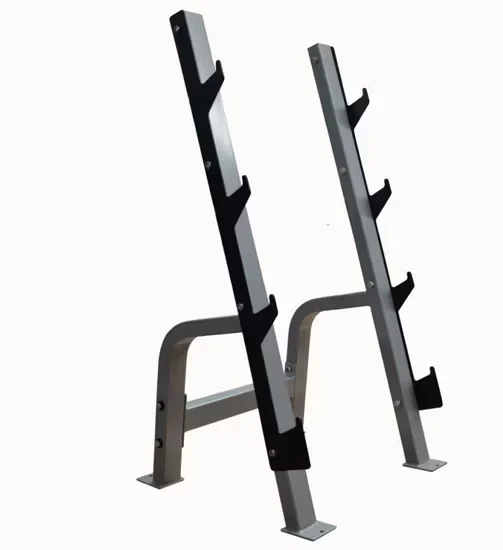
![Commercial Seated Leg Curl Machine Gym Equipment HuiYang 5033 [WARN] draft identifier mismatch](https://bicksport.com/wp-content/uploads/2026/08/commercial-seated-leg-curl-machine-gym-equipment-huiyang-5033-warn-draft-identifier-mismatch-f9dfad.webp)
Whisper-Quiet Pivot Architecture — Reinforced steel frame and precision-machined cam mechanism deliver consistent hamstring isolation across 10,000+ hours of continuous facility operation.
Technical Specifications
| Parameter | Value |
|---|---|
| Designation | 5033 |
| Product Type | Seated Leg Curl Machine |
| Age Group | Adult |
| Exercise Part | Leg |
| Gender | Unisex |
| Appliance | Gymnasium |
| Material | Steel |
| Product Dimensions | 1440x1695x1481mm |
| Net Weight | 103kg |
| Certification | ISO 9001, CE |
| Production Capacity | 500 pieces Per Month |
Application Suitability
| Deployment Scenario | Typical Use |
|---|---|
| hotel fitness center strength zone | hamstring isolation for guests seeking targeted lower-body conditioning |
| chain gym cardio and resistance area | high-frequency member use for posterior chain development |
| corporate wellness facility | employee strength training during limited break windows |
| high-end residential home gym | dedicated leg training in private wellness spaces |
| sports performance training center | athlete hamstring strengthening and injury prevention protocols |
Why Pivot Play Develops Before the Warranty Expires
Frame rigidity and bearing quality dictate whether a seated leg curl machine stays precise or becomes a liability.
When commercial gym operators source strength equipment based primarily on weight stack capacity, they often discover within months that pivot points develop lateral play. The cam mechanism begins to wobble during eccentric loading, and members start avoiding the machine because the movement pattern feels unstable. A commercial seated leg curl machine gym equipment unit must maintain structural integrity through thousands of daily repetitions across users of varying strength levels [NEED_CITE: structural fatigue testing protocols for commercial selectorized equipment]. The reinforced steel frame architecture in this model addresses the root cause rather than treating symptoms with oversized padding or cosmetic upgrades.
Hamstring Isolation in the Commercial Strength Matrix
This seated leg curl machine occupies a specific role in facility programming: targeted hamstring engagement with minimized lumbar involvement. Unlike lying leg curl variations that require users to stabilize their torso against a bench, the seated position fixes the hip angle and directs load exclusively through knee flexion. In a commercial gym layout, this unit complements compound movements like squats and deadlifts by providing isolated posterior chain stimulus without central nervous system fatigue. The biomechanical positioning accommodates users across a broad anthropometric range, making it suitable for high-traffic zones where equipment must serve diverse body types without manual adjustment delays. A commercial seated leg curl machine gym equipment deployment typically positions this unit adjacent to leg press and extension machines to create a logical lower-body training circuit.
Continuous Load Cycles and Facility Environment Factors
Commercial strength equipment faces duty cycles that residential units never encounter: back-to-back users throughout operating hours, minimal cooldown periods between sets, and environmental factors like humidity from adjacent shower facilities. The steel frame construction and sealed bearing assemblies in this seated leg curl machine are engineered for these conditions, maintaining alignment under repeated maximum stack loading. Facility operators must consider floor leveling requirements, as uneven surfaces introduce torsional stress that accelerates pivot wear. Ventilation planning affects equipment longevity; inadequate airflow around the weight stack allows sweat residue and humidity to corrode cable routing and guide rods [NEED_CITE: environmental degradation factors in commercial fitness equipment lifespan]. The 1440x1695mm footprint requires adequate clearance for user ingress and maintenance access to the weight stack housing.
Decoding the Resistance Curve and Structural Specifications
The seated leg curl movement demands a resistance profile that matches hamstring strength throughout the full range of motion—stronger at mid-flexion, weaker at full extension and contraction. The precision-machined cam mechanism translates linear weight stack load into a variable resistance curve that mirrors this biological strength pattern. Steel construction at 103kg net weight provides the mass necessary to resist tipping during aggressive eccentric contractions, where users generate forces exceeding the selected stack weight. Commercial-grade upholstery density withstands thousands of compression cycles without permanent deformation, maintaining consistent user positioning. The ISO 9001 certification validates manufacturing process control, while CE marking confirms compliance with European machinery safety directives applicable to commercial gymnasium equipment [NEED_CITE: EN 957 stationary training equipment safety requirements].
The Hidden Cost of Underspecified Structural Components
Facilities that procure strength equipment without verifying frame gauge and weld quality face predictable consequences. Pivot bearings designed for light-commercial duty cycles develop play within months under continuous gym traffic, transforming smooth hamstring curls into unstable movements that members perceive as unsafe. Weight stack guide rods without adequate surface treatment corrode in humid environments, causing the stack to bind and creating inconsistent resistance delivery. Upholstery compression failures force members into compensatory positioning that shifts load away from target musculature. These failures compound: members avoid the malfunctioning unit, per-session utilization drops, and the facility faces replacement costs that exceed the original procurement savings [NEED_CITE: total cost of ownership analysis for commercial selectorized strength equipment].
Why This Product Line Addresses Facility Procurement Risks
The commercial seated leg curl machine gym equipment from this manufacturing program undergoes validation protocols that extend beyond static load testing. The 10,000-hour durability standard applies to pivot mechanisms, cable systems, and structural welds—components that experience cyclical fatigue rather than single-event overload. Full OEM and ODM capability allows facility operators to specify console interfaces, upholstery colors, and frame finishes that integrate with brand standards. The six-series cardio and strength family enables sourcing every discipline from one production facility, simplifying logistics and spare parts inventory. Free 3D layout planning addresses equipment spacing, member flow patterns, and sightline optimization specific to the facility’s square footage and ceiling height. The 24/7 technical support response ensures that mechanical issues receive diagnosis and resolution guidance without waiting for next-business-day callbacks.
Documentation & Test Records
- CE declaration of conformity for European market machinery compliance
- EN 957 test report validating stationary training equipment safety standards
- ISO 9001 certificate confirming quality management system certification
- Durability test record documenting 10,000-hour component validation
- Structural load testing report for frame and pivot mechanism integrity
- Upholstery compression and abrasion resistance validation data
Installation, Commissioning & Maintenance
- 1440x1695mm footprint requires 600mm clearance on all sides for user access and weight stack maintenance
- Level concrete subfloor mandatory to prevent torsional stress on frame welds during loaded operation
- Initial commissioning includes cable tension verification and cam mechanism alignment check
- Quarterly inspection of pivot bearings for lateral play and guide rod surface condition
- Weekly upholstery cleaning with pH-neutral solution to prevent sweat-induced material degradation
- Annual weight stack cable replacement based on visual fraying assessment rather than failure
Equipment Selection and Deployment Planning
Facility planners should provide the strength zone square footage and intended equipment count to receive a 3D layout that optimizes member flow and maintenance access around this seated leg curl unit. Specifying expected daily utilization hours enables duty-cycle matching to confirm the equipment selection suits the operational intensity. For multi-story deployments, identifying adjacent occupied spaces informs vibration and noise transmission planning. International projects require voltage and plug standard confirmation before production to prevent compatibility issues upon container arrival. Facilities integrating equipment management software should specify data interface requirements during the inquiry phase.
Frequently Asked Questions
Q: How does seated leg curl biomechanics differ from lying leg curl for facility deployment decisions?
A: Seated leg curl fixes the hip joint at approximately 90 degrees, isolating hamstring knee flexion without requiring users to stabilize their torso on a bench. This positioning accommodates a wider range of body types with minimal manual adjustment, making it suitable for high-traffic commercial zones. Lying variations demand more floor space and user compliance with prone positioning, which some members find uncomfortable. Facilities prioritizing accessibility and rapid user turnover typically favor seated configurations.
Q: What structural frame standards should procurement teams verify for commercial strength equipment?
A: Commercial frames must withstand cyclical loading far exceeding static weight ratings. Procurement teams should request weld penetration inspection reports and pivot bearing specifications rated for continuous operation. Frame mass contributes to stability during aggressive eccentric contractions where users generate forces beyond the selected resistance. ISO 9001 manufacturing certification validates process control, while EN 957 testing confirms the design meets European safety requirements for commercial gymnasium deployment environments.
Q: What maintenance intervals apply to pivot mechanisms and cable systems in selectorized equipment?
A: Pivot bearings require quarterly inspection for lateral play development, with replacement scheduled when movement exceeds manufacturer tolerances rather than upon catastrophic failure. Weight stack cables need weekly visual inspection for strand separation near attachment points, with preventive replacement preventing mid-use snapping. Guide rod surfaces demand monthly cleaning to remove sweat residue that accelerates corrosion. Facilities operating extended hours should compress these intervals proportionally to usage volume.
Q: How does upholstery density affect long-term durability in 24/7 commercial environments?
A: High-density foam maintains consistent user positioning through thousands of compression cycles, preventing the permanent deformation that forces members into compensatory movement patterns. Commercial-grade vinyl coverings resist sweat penetration that degrades foam structure from within. Seam construction must withstand repeated stretching without separation. Facilities should request compression set test data and abrasion resistance ratings when evaluating equipment for continuous public access deployment where upholstery failure creates both safety concerns and member attrition.
![Super Horizontal Calf Raise Machine Commercial Gym Equipment [WARN] draft identifier mismatch](https://bicksport.com/wp-content/uploads/2026/08/super-horizontal-calf-raise-machine-commercial-gym-equipment-warn-draft-identifier-mismatch-163c13.webp)
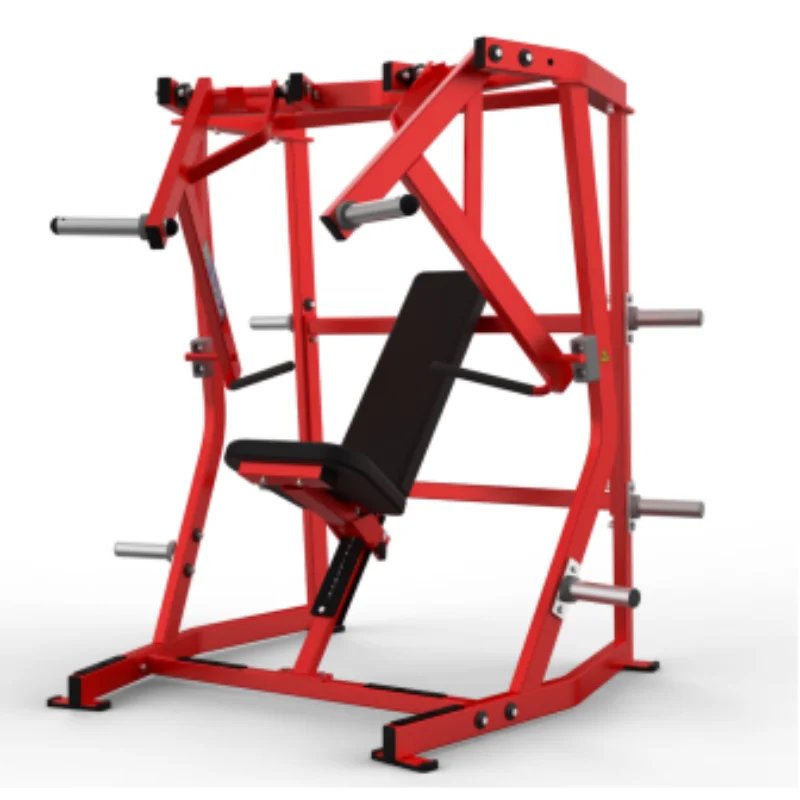
![Commercial ISO-Lateral Shoulder Press Strength Machine 5007[WARN] draft identifier mismatch](https://bicksport.com/wp-content/uploads/2026/08/commercial-iso-lateral-shoulder-press-strength-machine-5007warn-draft-identifier-mismatch-809926.webp)