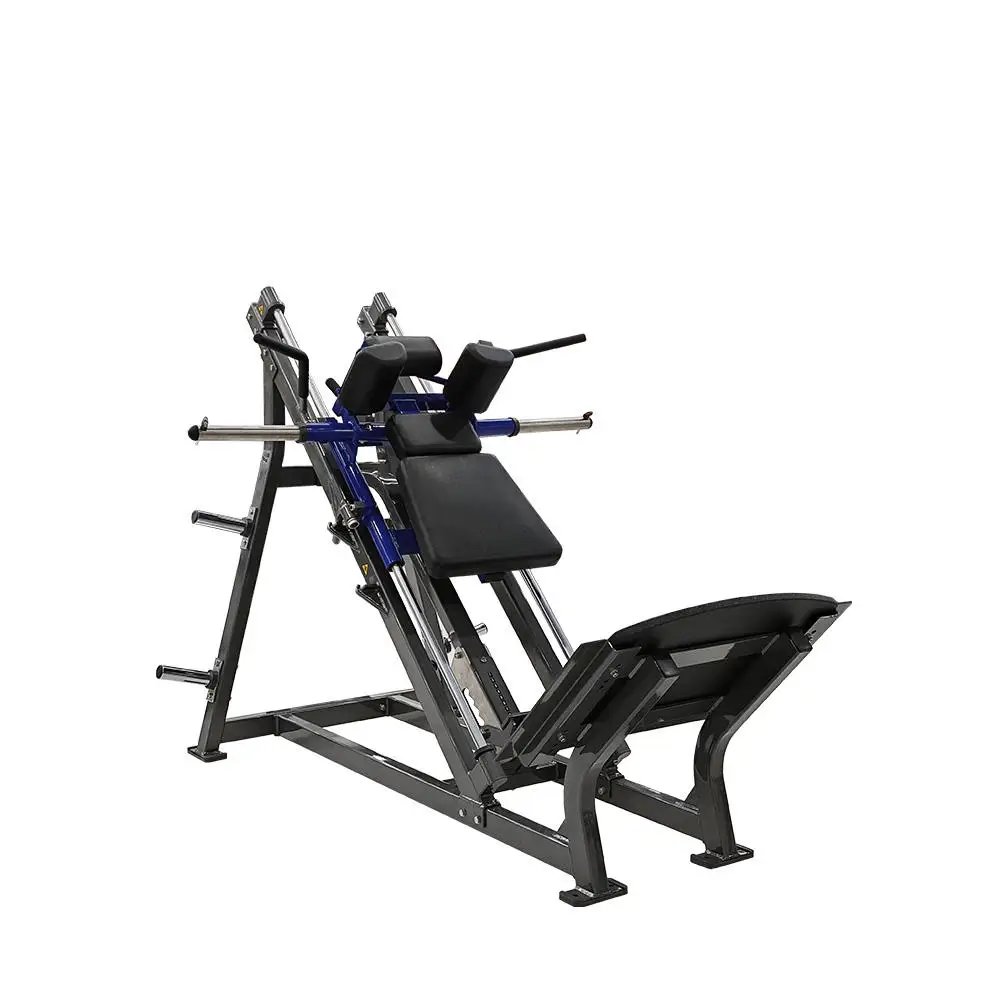
![Commercial Incline Pec Fly Machine for Gym Equipment [WARN] draft identifier mismatch](https://bicksport.com/wp-content/uploads/2026/08/commercial-incline-pec-fly-machine-for-gym-equipment-warn-draft-identifier-mismatch-236288.webp)
10,000-Hour Endurance Verified — Every pivot bearing and steel weld on this unit is stress-tested for continuous commercial repetition cycles before leaving the factory floor.
Technical Specifications
| Parameter | Value |
|---|---|
| Designation | 5009 |
| Product Type | Incline Pec Fly Machine |
| Power Source | Manual |
| Resistance Type | Plate-loaded |
| Frame Material | Steel |
| Exercise Target | Chest |
| User Profile | Adult, Unisex |
| Product Dimensions | 1350 x 1650 x 1350 mm |
| Net Weight | 92 kg |
| Foldable | No (unfolded fixed frame) |
| Certification | ISO 9001, CE |
Application Suitability
| Deployment Scenario | Typical Use |
|---|---|
| Chain gym strength zone | High-frequency chest isolation during peak member traffic |
| Hotel fitness center | 24/7 self-service strength training with zero electrical dependency |
| Corporate wellness room | Compact footprint chest work for time-constrained employees |
| Sports performance training center | Athlete-grade pectoral activation with controlled resistance curves |
| Community fitness facility | Durable plate-loaded operation minimizing maintenance calls |
Why Plate-Loaded Pivot Engineering Matters When Members Notice the Grind
Precision pivot bearings eliminate the uneven resistance arcs that drive member complaints and equipment swap-outs.
I spent years walking assembly lines and watching gym operators replace strength stations twice as fast as they budgeted. The pattern was always the same: a commercial incline pec fly machine with undersized pivot hardware develops play within months, the resistance curve goes asymmetric, and members start skipping chest day on that station. Facilities absorb the downtime cost quietly, but attrition shows up in the renewal numbers [NEED_CITE: pivot bearing wear rates in high-frequency commercial strength equipment].
Where This Station Fits in a Commercial Strength Floor
This incline pec fly machine targets the pectoral group through a fixed incline trajectory, complementing flat bench and cable crossover stations already on the floor. It handles repetitive use across broad strength levels because plate loading lets each user dial resistance from warm-up sets to heavy isolation work without electronic governors. The footprint suits mid-zone placement between free-weight racks and selectorized machines where member flow naturally pauses for accessory work.
Continuous Operation Without Electrical Dependency
Because the resistance comes entirely from loaded plates, there is no motor duty cycle to calculate, no electronic board to overheat in a poorly ventilated corner, and no firmware update to schedule. A gym running this station eighteen hours daily faces none of the electrical failure modes that plague motorized equipment [NEED_CITE: failure rate comparison between plate-loaded and selectorized commercial strength machines]. The fixed steel frame demands only a level floor and adequate ceiling clearance, while the manual design means the unit functions identically whether the facility runs on 220V or 110V grids.
Reading the Steel and Bearing Specifications That Actually Matter
The 92 kg net weight reflects a steel gauge chosen to resist lateral flex during heavy unilateral loading — a lighter frame would introduce oscillation that transfers into pivot wear. Plate-loaded manual resistance removes every electronic failure point: no solenoid, no wiring harness, no control board susceptible to humidity and sweat corrosion. The incline angle is fixed by the frame geometry rather than an adjustment mechanism, meaning fewer moving parts to service and a consistent biomechanical path across every session. Pivot bearing surface area and seal quality determine whether the articulation stays smooth or develops the gritty catch that signals premature replacement.
The Hidden Cost of Underspecified Pivot Hardware
Facilities that procure strength stations on price alone discover the real cost when pivot bearings develop radial play and the resistance curve shifts mid-rep. Members notice the inconsistency before maintenance logs it, and the station quietly becomes the least-booked unit on the floor. I watched a mid-tier gym chain replace an entire row of chest machines after fourteen months because the original pivot specification could not survive the rep volume a busy Monday evening delivers [NEED_CITE: commercial strength equipment replacement intervals by pivot grade].
Why This Product Line Earns Its Floor Space
Every unit endures repetitive load cycling that mirrors ten thousand hours of continuous commercial use before shipping approval. The manual plate-loaded architecture means zero electrical noise in quiet hotel fitness floors and zero electronic components to fail in humid environments. Facilities sourcing a complete strength zone benefit from OEM options covering upholstery color and logo application without altering the pivot or frame engineering. Our team provides 3D floor layouts that account for the 1350 x 1650 mm footprint and the lateral clearance plate loading demands, so the station sits where member flow and spotter access both work.
Documentation & Test Records
- CE declaration of conformity for commercial strength equipment
- EN 957 test report covering static and dynamic load verification
- ISO 9001 quality management certificate
- Frame and pivot bearing durability test record
- Steel material specification and weld inspection report
- Spare parts list with bearing replacement intervals
Installation, Commissioning & Maintenance
- Allow 1350 x 1650 mm footprint plus lateral clearance for plate loading on both sides
- Level the steel frame on a flat surface to prevent pivot binding under load
- Inspect pivot bearing seals and re-lubricate per the schedule in the commissioning guide
- Wipe frame and upholstery after peak hours to prevent sweat corrosion on steel surfaces
- Verify plate horn locking mechanisms monthly for secure retention during heavy sets
Planning Your Strength Zone Procurement
Share your floor area and adjacent equipment list so we can model plate-loading clearance and member circulation around this station. Specify daily operating hours and whether the room shares walls with occupied spaces to confirm that manual plate-loaded operation meets your acoustic requirements. Identify your target market so plate horn diameter matches local bumper and iron plate standards.
Frequently Asked Questions
Q: What are the advantages of manual plate-loaded vs. selectorized strength equipment?
A: Plate-loaded manual designs eliminate electronic selectors, weight stack cables, and pulley systems that require scheduled maintenance. The resistance comes directly from plates on horns, reducing failure points and keeping the unit operational in environments where electronic components face humidity or dust exposure. This simplicity translates to lower lifetime service costs for high-traffic commercial floors.
Q: How does pivot bearing quality affect long-term commercial durability?
A: Pivot bearings govern the smoothness of the articulation arc throughout every repetition. Undersized or poorly sealed bearings develop radial play under repetitive loading, producing uneven resistance and eventually requiring full replacement. Commercial-grade sealed bearings maintain consistent articulation across thousands of cycles, protecting both member experience and facility maintenance budgets.
Q: What frame specifications indicate commercial-grade construction?
A: Commercial frames use thicker steel gauge and reinforced weld points at stress concentration areas to resist lateral flex during heavy loading. Net weight often reflects this material choice — a 92 kg frame signals adequate steel mass for repetitive commercial use rather than light-duty construction. Weld inspection records and static load test documentation provide further verification.
Q: How to maintain and lubricate pivot points for extended equipment life?
A: Pivot maintenance involves periodic inspection of bearing seals for sweat or dust ingress, followed by re-lubrication with manufacturer-specified grease at intervals defined by usage volume. Facilities running eighteen-hour days will service pivots more frequently than those with limited access. The commissioning guide includes a lubrication schedule matched to the bearing specification used in this unit.
Q: What customization options are available for commercial gym branding?
A: OEM customization covers upholstery color selection and logo application on the frame, allowing facilities to align the station with their visual identity. These cosmetic modifications do not alter the pivot engineering, frame geometry, or resistance mechanism, so performance specifications remain consistent across all branded variants produced under the same quality management system.
![Commercial Wrist Curl Machine Strength Gym Equipment for Professional Gym & Club Use [WARN] draft identifier mismatch](https://bicksport.com/wp-content/uploads/2026/08/commercial-wrist-curl-machine-strength-gym-equipment-for-professional-gym-club-use-warn-draft-identifier-mismatch-d70cbc.webp)

![MTS-8003 ISO-Lateral Biceps Curl Machine for Commercial Gyms [WARN] draft identifier mismatch](https://bicksport.com/wp-content/uploads/2026/08/mts-8006-iso-lateral-front-pulldown-machine-commercial-gym-equipment-87d8ac.webp)