
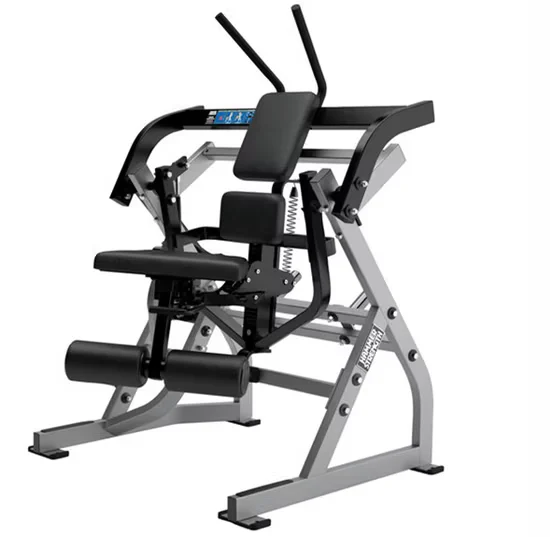
![Commercial Adjustable Bench Steel Gym Equipment for Fitness Center Use [WARN] draft identifier mismatch](https://bicksport.com/wp-content/uploads/2026/08/commercial-adjustable-bench-steel-gym-equipment-for-fitness-center-use-warn-draft-identifier-mismatch-5b67c3.webp)
Heavy-Duty Structural Rigidity — Reinforced steel frame with precision adjustment mechanism engineered for play-free stability under continuous commercial loading.
Technical Specifications
| Parameter | Value |
|---|---|
| Product Type | Adjustable Bench |
| Exercise Part | Adjustable Bench |
| Material | Steel |
| Weight | 38kg |
| Product Dimensions | 1673x706x1390mm |
| Age Group | Adult |
| Gender | Unisex |
| Appliance | Gymnasium |
| Folded | Unfolded |
| Power Source | Manual |
| Certification | ISO9001, CE |
| Customization | Available |
| Model NO. | 5067 |
| Production Capacity | 500 pieces per month |
Application Suitability
| Deployment Scenario | Typical Use |
|---|---|
| Hotel fitness center on guest room floors | Multi-angle strength training in noise-sensitive environments adjacent to occupied rooms |
| Chain gym cardio zone | High-frequency incline and decline pressing between cardio sessions |
| Corporate wellness room | Versatile strength station for mixed-ability users during peak lunch hours |
| High-end residential home gym | Compact, durable bench for daily compound movements without wobble |
| Sports performance training center | Heavy-loaded incline work for athletic conditioning programs |
Why Wobbling Benches Create Safety Complaints on Busy Gym Floors
Frame gauge and adjustment play determine whether a commercial adjustable bench steel gym equipment station survives its first year in a high-traffic facility.
Benches built with thin-gauge steel and loose ladder-style pins begin to rattle and shift within months of continuous commercial use. Members notice the instability during heavy incline presses, leading to safety complaints and eventual equipment abandonment. Facility operators then face the costly cycle of replacing the entire bench lineup. The structural integrity of the frame welds and the precision of the adjustment mechanism must be matched to the facility’s daily throughput. [NEED_CITE: structural fatigue testing standards for commercial strength equipment]
Positioning the Bench Within a Complete Strength Zone
The Adjustable Bench covers incline, flat, and decline pressing movements, serving as a central station for upper-body compound exercises across moderate to high intensity ranges. It complements fixed benches, cable machines, and free-weight racks by providing rapid position changes without requiring users to move to a different station. The 38kg steel frame and 1673x706x1390mm footprint allow placement in high-density areas where multiple users rotate through during peak hours. The design accommodates a wide range of user body types, with the adjustment mechanism supporting various torso lengths and limb proportions. The commercial adjustable bench steel gym equipment category demands this versatility for facilities serving diverse membership bases.
Continuous Operation and Floor-Level Deployment Considerations
A commercial strength bench in a 24-hour hotel gym or chain facility experiences hundreds of position changes and loading cycles daily. The steel frame must dissipate stress across reinforced weld points without developing micro-fractures over months of use. Noise transmission is a critical factor when benches are deployed on upper floors above guest rooms or office spaces; non-marking rubber feet and solid construction minimize vibration transfer to the structure below. Proper floor leveling and placement away from high-traffic walkways reduces accidental impacts and extends frame life. [NEED_CITE: commercial facility equipment deployment guidelines for multi-story buildings]
Decoding the Steel Frame and Adjustment Mechanism
The 38kg net weight and steel material specification indicate a frame built for static load capacity and long-term rigidity rather than portability. The adjustment mechanism type—whether ladder-style pin, pop-pin, or gear-driven—directly affects the speed of position changes and the amount of play present during loaded movements. A tight-tolerance mechanism prevents the back pad from shifting during incline dumbbell presses, which is essential for user safety and confidence. Padding density and vinyl covering quality determine how long the bench maintains comfort and appearance under constant use, with high-density foam resisting compression and heavy-gauge vinyl resisting tears. Non-marking rubber feet protect polished concrete or wood flooring while reducing transmitted vibration, a key consideration for hotel and residential deployments where floor protection is non-negotiable.
The Hidden Cost of Specification Compromises
Facilities that procure benches with undersized frame tubing and loose adjustment tolerances typically face premature replacement cycles. The welds at stress points develop fatigue cracks under repeated heavy loading, creating liability concerns. Thin padding compresses within months, leading to member discomfort and increased maintenance calls. Vinyl covers on low-density foam tear along seam lines, requiring expensive re-upholstery or full bench replacement. The cumulative cost of these failures often exceeds the initial savings from choosing a lower-specification product. [NEED_CITE: lifecycle cost analysis for commercial gym equipment procurement]
Why This Product Line Addresses Commercial Durability Gaps
The ISO 9001 and CE certification framework ensures that the steel frame and weld quality are verified against consistent production standards. The full OEM/ODM capability allows facility operators to specify custom padding thickness, vinyl color, and branding to match existing equipment lines. The 500-piece monthly production capacity supports multi-location rollouts with consistent specifications across all units. The commercial adjustable bench steel gym equipment configuration is designed for facilities that require standardized strength stations across numerous locations. Free 3D layout planning ensures proper spacing and airflow around each bench within the broader strength zone design. 24/7 technical support and spare parts availability reduce downtime when adjustment mechanisms or padding require service.
Documentation & Test Records
- CE declaration of conformity for the adjustable bench frame and adjustment mechanism
- EN 957 test report covering structural integrity and stability under load
- ISO 9001 certificate verifying production quality control for steel fabrication
- Durability test record documenting adjustment mechanism cycle performance
- Padding density specification and vinyl tear-strength test report
- Installation and commissioning guide with spare parts list
Installation, Commissioning & Maintenance
- Allow adequate clearance around the 1673x706x1390mm footprint for safe loading and unloading
- Verify floor levelness and install non-marking rubber feet to prevent vibration transmission
- Inspect all adjustment mechanism pins and latches for smooth operation before member use
- Confirm padding attachment security and vinyl seam integrity during initial commissioning
- Establish a monthly inspection schedule for weld points and adjustment mechanism play tolerance
- Clean vinyl surfaces with non-abrasive solutions to prevent premature degradation from sweat exposure
Equipment Selection and Deployment Inquiry
Provide the strength zone area and equipment list to receive a 3D layout and airflow plan that positions each bench for optimal member flow and safety clearance. Specify the daily usage intensity and member turnover rate to confirm that the frame specification matches the facility’s operational demands. Indicate the deployment floor and adjacent occupied spaces to verify that vibration and noise requirements are met. State the target market and any OEM customization requirements for color, padding, and branding to ensure accurate quotation.
Frequently Asked Questions
Q: What steel gauge and welding standard ensures commercial-grade bench durability?
A: Commercial adjustable benches require heavy-gauge steel tubing with reinforced welding at all stress junctions. The frame must maintain structural rigidity under repeated heavy loading without developing wobble or fatigue cracks. Request weld inspection records and frame material grade certificates from the manufacturer to verify that the construction meets continuous-use commercial standards rather than light-duty specifications.
Q: How does adjustment mechanism type affect stability during heavy pressing?
A: Ladder-style pins, pop-pins, and gear-driven mechanisms each present different trade-offs between adjustment speed and play tolerance. A mechanism with excessive play allows the back pad to shift during loaded incline presses, compromising user safety and exercise effectiveness. Confirm the adjustment mechanism play tolerance after simulated high-cycle durability testing to ensure consistent performance under commercial use conditions.
Q: What padding density is recommended for 24/7 commercial gym use?
A: High-density foam padding resists compression and maintains comfort over thousands of daily use cycles in commercial environments. Low-density padding compresses quickly, leading to member discomfort and frequent replacement costs. Verify the padding density specification and vinyl tear-strength test report to ensure the bench surfaces withstand continuous high-frequency use without degrading.
Q: Can the bench frame and color be fully customized under OEM/ODM?
A: Full OEM/ODM customization covers frame color, padding thickness, vinyl material, and logo placement to match existing facility branding and equipment lines. Confirm the customization scope, including available color options and minimum order quantities, during the quotation process. This ensures consistent visual identity across multi-location deployments and equipment fleet expansions.
Q: How do non-marking feet protect flooring in hotel and residential deployments?
A: Non-marking rubber feet prevent scuffing and staining on polished concrete, hardwood, and tile flooring commonly found in premium fitness environments. They also reduce transmitted vibration to the building structure, which is critical when benches are deployed on upper floors above guest rooms or occupied office spaces. Confirm the foot material specification to ensure compatibility with the facility’s flooring type.
![ISO-Lateral D. Y Row Machine Back Exercise Gym Equipment [WARN] draft identifier mismatch](https://bicksport.com/wp-content/uploads/2026/08/iso-lateral-d-y-row-machine-back-exercise-gym-equipment-warn-draft-identifier-mismatch-3e68d9.webp)

![Commercial Vertical Leg Press Machine H5037 for Gym Use [WARN] draft identifier mismatch](https://bicksport.com/wp-content/uploads/2026/08/commercial-vertical-leg-press-machine-h5037-for-gym-use-warn-draft-identifier-mismatch-4b8998.webp)