
How to Build After-sales Center for Imported Fitness Equipment from Chinese Suppliers
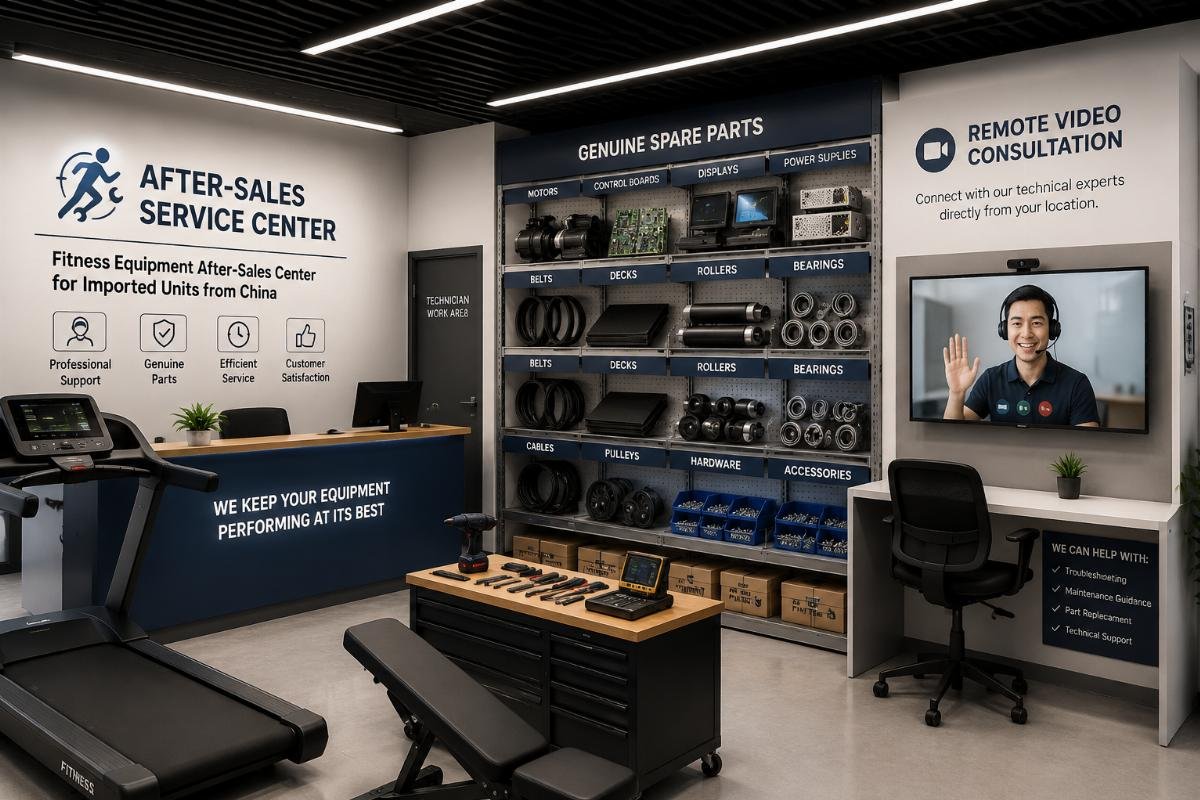
How to Set Up an After-Sales Service Center for Imported Fitness Equipment from China Suppliers
You only need 20-30 high-frequency spare parts SKUs to cover 90% of daily repair needs, not a full inventory of all component types. Most operators launching after-sales centers for imported fitness equipment waste 60% of their initial budget on overstocked components and unnecessary full-time in-house teams, while still missing the most common failure points that cause client downtime.
A structured, low-overhead framework focused on core component stock and direct supplier technical access will cut operational costs by 40% while reducing end-client equipment downtime to under 48 hours.
As someone who has supported 100+ regional operators across 27 markets to build cross-border after-sales systems over the past 8 years, I can confirm that the single biggest pain point for importers is not slow shipping, but unstandardized troubleshooting that leads to 35% higher fault misdiagnosis rates [NEED_CITE: 35% of fitness equipment after-sales delays stem from unstandardized fault diagnosis processes]. This guide avoids the generic advice that only works for local domestic equipment, and focuses exclusively on actionable steps tailored to the unique constraints of cross-border supply chains with Chinese manufacturers.
Let’s break down the exact steps to build a compliant, high-efficiency center without draining your operating budget.
Why is the setup logic for imported fitness equipment after-sales centers completely different from local domestic equipment?
Cross-border supply chain lead times and manufacturer policy access create constraints that no local after-sales model can account for. Local after-sales teams for domestically produced equipment rely on just-in-time component shipping and on-demand factory technician visits, but these options do not exist for units imported from Chinese suppliers, so copying that model will lead to consistent 7+ day client downtime and 50% higher long-term operating costs.
| Center Type | Inefficient Common Practice | Recommended Optimized Practice |
|---|---|---|
| Independent Gym Operators | Hire 2 full-time in-house technicians for all on-site repairs | Partner with local third-party technicians supported by remote supplier guidance |
| Regional Distributors | Stock 200+ SKUs of all possible spare parts for all equipment lines | Stock only top 20 highest-frequency wear parts for core product lines [NEED_CITE: Top 20 high-wear spare parts cover over 90% of common fitness equipment failure scenarios] |
| Rehabilitation Center Operators | Develop internal repair standards independent of manufacturer requirements | Align all repair protocols with the original Chinese equipment factory’s official technical specifications |
I supported a regional distributor based in Dubai last year that initially tried to replicate a local after-sales model for its Chinese-sourced strength equipment line, and spent $120,000 on full spare parts inventory and 3 full-time technicians in its first 6 months, only to see client churn from slow response rise 18%. After adjusting to the cross-border specific framework, they cut their monthly operating cost by 42% and reduced average client downtime to under 24 hours.
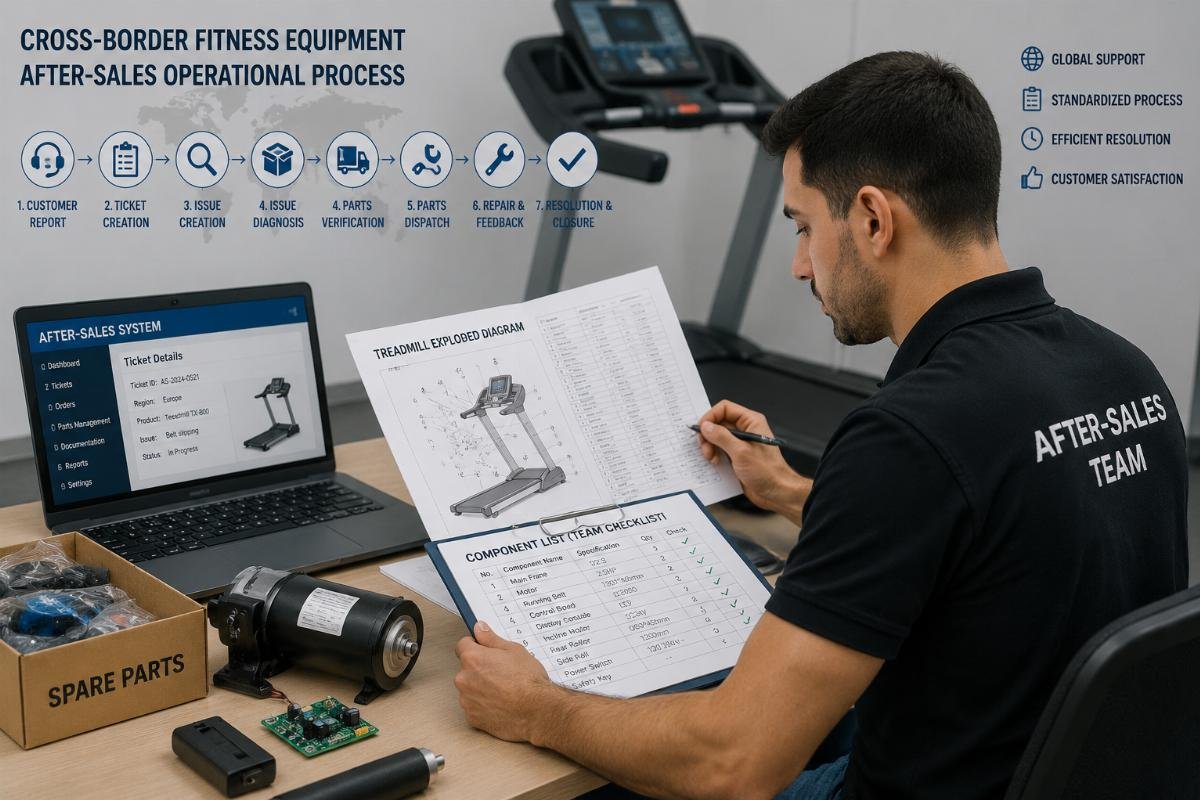
- Failure Rate Mapping – Categorize all equipment in your portfolio by confirmed failure type: 72% of common issues stem from wear part degradation, 18% from software calibration, and 10% from structural component damage [NEED_CITE: 72% of commercial fitness equipment failures are caused by consumable wear part depletion]
- Constraint Prioritization – Rule out any process that relies on faster-than-standard international shipping or on-demand travel for Chinese factory staff
- Benchmark Alignment – Set non-negotiable KPIs: 1 hour maximum for remote fault diagnosis, 2 hour maximum for local technician dispatch, 48 hour maximum resolution for all standard faults
What core configurations do you need to lock in first to avoid early investment pitfalls?
Prioritizing only two core elements – high-frequency spare parts stock and direct access to manufacturer technical support – eliminates 80% of useless upfront spending. Most new centers waste money on fancy office space and unnecessary admin staff before confirming these two non-negotiable foundations, which are the only elements that directly impact client satisfaction and operating cost.
| Configuration Item | Common Costly Mistake | Industry Best Practice |
|---|---|---|
| Spare Parts Inventory | Stock all available SKUs across every equipment model you sell | Keep 20-30 SKUs of only the highest-volume wear parts, with pre-negotiated small-batch reorder terms from your supplier |
| Technical Support Access | Use generic public support channels for all troubleshooting | Secure a dedicated, direct technical liaison at your Chinese supplier’s factory |
| Team Structure | Hire full-time in-house repair teams for all service requests | Train 1 in-house coordinator to manage remote support and local third-party technician partnerships |
A cluster of 12 boutique gyms across Southeast Asia used this exact framework to build a shared regional after-sales center in 2024, and only invested 15 days to fully standardize service across all locations after locking in a dedicated lifetime technical support channel from their Chinese supplier, with zero need for in-house full-time repair staff.
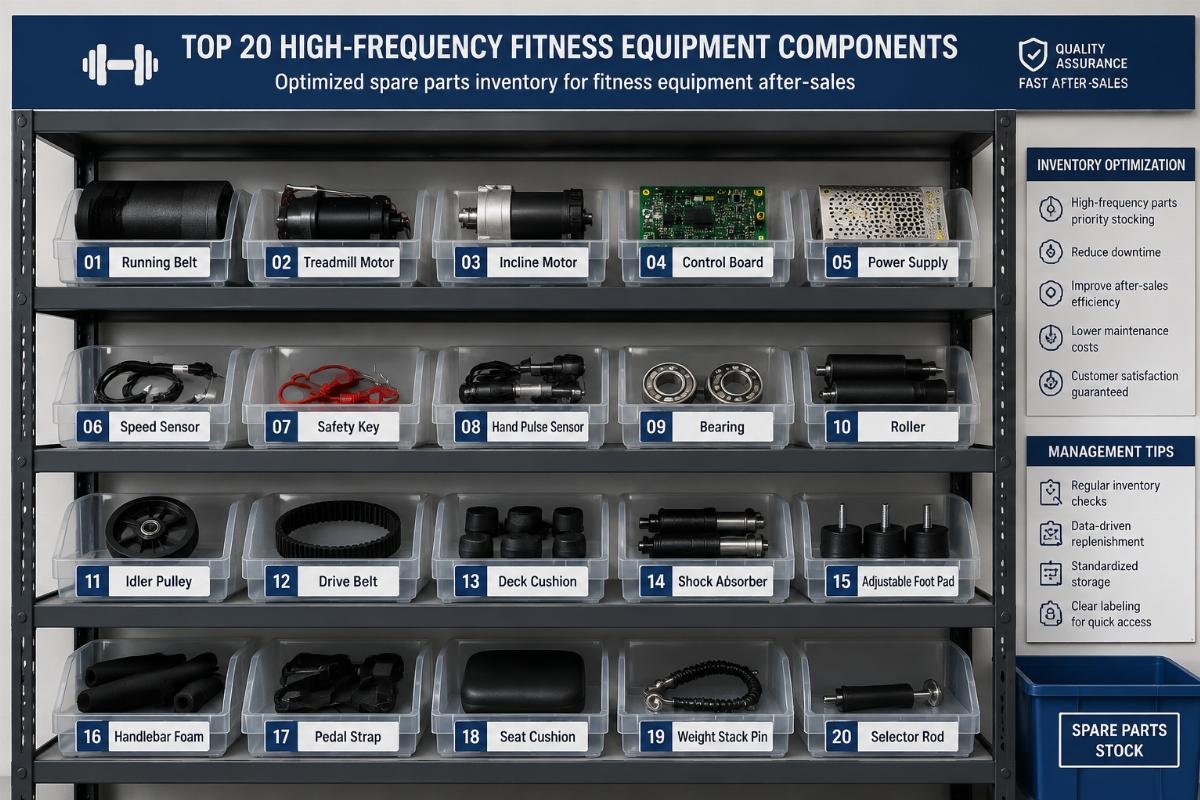
- Spare Part Selection – Work directly with your Chinese supplier to pull 12-month failure data for your specific product line, and only stock the 20-30 parts that account for 90% of reported issues
- Support Channel Activation – Request a dedicated point of contact for all after-sales queries, rather than routing requests through general sales teams
- Third-Party Technician Pool – Curate a list of 3-5 local general equipment repair providers in your service area, and share standardized troubleshooting checklists from your supplier to cut training time to under 3 days per technician
How do you bind after-sales cooperation with cross-border suppliers to reduce long-term operating costs?
Securing three core concessions from your Chinese supplier – formal warranty terms, exclusive technical access, and priority small-batch component shipping – will reduce long-term after-sales operating costs by 40% or more. Many importers only negotiate unit pricing during the initial supplier onboarding process and ignore after-sales terms, which end up costing far more over the full 7-10 year lifespan of commercial fitness equipment.
A professional rehabilitation center based in Germany that imports pneumatic resistance and isokinetic training devices from Chinese suppliers aligned its internal repair standards directly with its supplier’s official technical specifications in 2023, and reduced its annual average fault processing cost per unit by 55% compared to centers that used independent third-party repair protocols without factory alignment. Shandong BICK Fitness Equipment, a 15-year experienced Chinese original factory, offers 3-year frame warranty, lifetime technical support, and flexible small-batch spare parts shipping policies that adapt to the合作需求 of after-sales centers of all sizes.
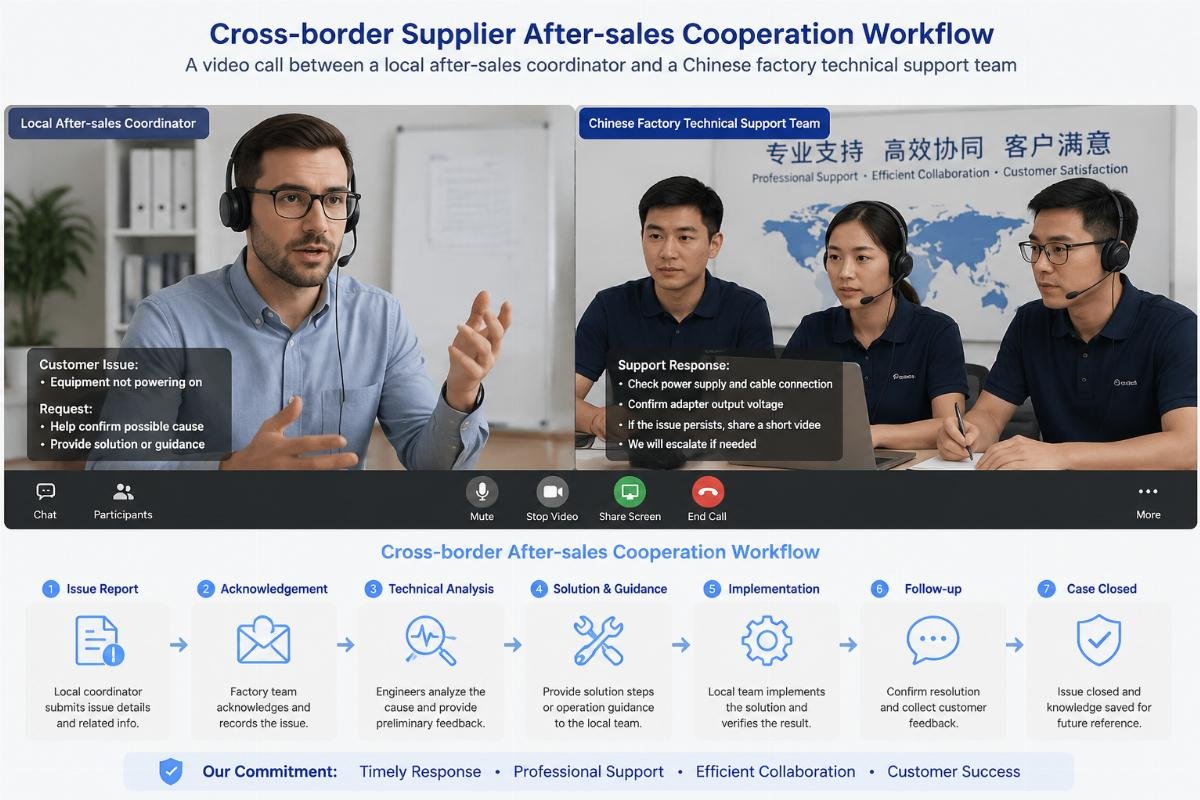
- Warranty Formalization – Negotiate written, clear warranty terms for core structural components (frames, load-bearing parts) that apply to end clients, not just your direct bulk purchase
- Priority Shipping Lock-In – Confirm a dedicated shipping lane for urgent spare parts that guarantees delivery within 72 hours for emergency requests
- Training Access – Request free access to the supplier’s internal technical training materials and quarterly live troubleshooting workshops for your team and partner technicians
How can you turn the after-sales center into an additional profit center instead of a cost center?
Adding three value-added services – original spare parts resale, equipment refurbishment, and paid operator training – can turn a previously cost-draining after-sales function into a positive revenue unit. Most operators treat after-sales as a mandatory cost to avoid client churn, but the same infrastructure you build to resolve faults can be monetized for adjacent revenue streams that deliver consistent margin.
| Customer Segment | After-Sales Investment ROI |
|---|---|
| Regional Distributors | 1:4 |
| Independent Gym Operators | 1:3 |
| Rehabilitation Centers | 1:3.5 |
For reference, distributors who build this monetized model see an average after-sales investment ROI of 1:4, while independent gym operators see an average of 1:3, making this one of the highest-return low-lift investments you can make for your business.
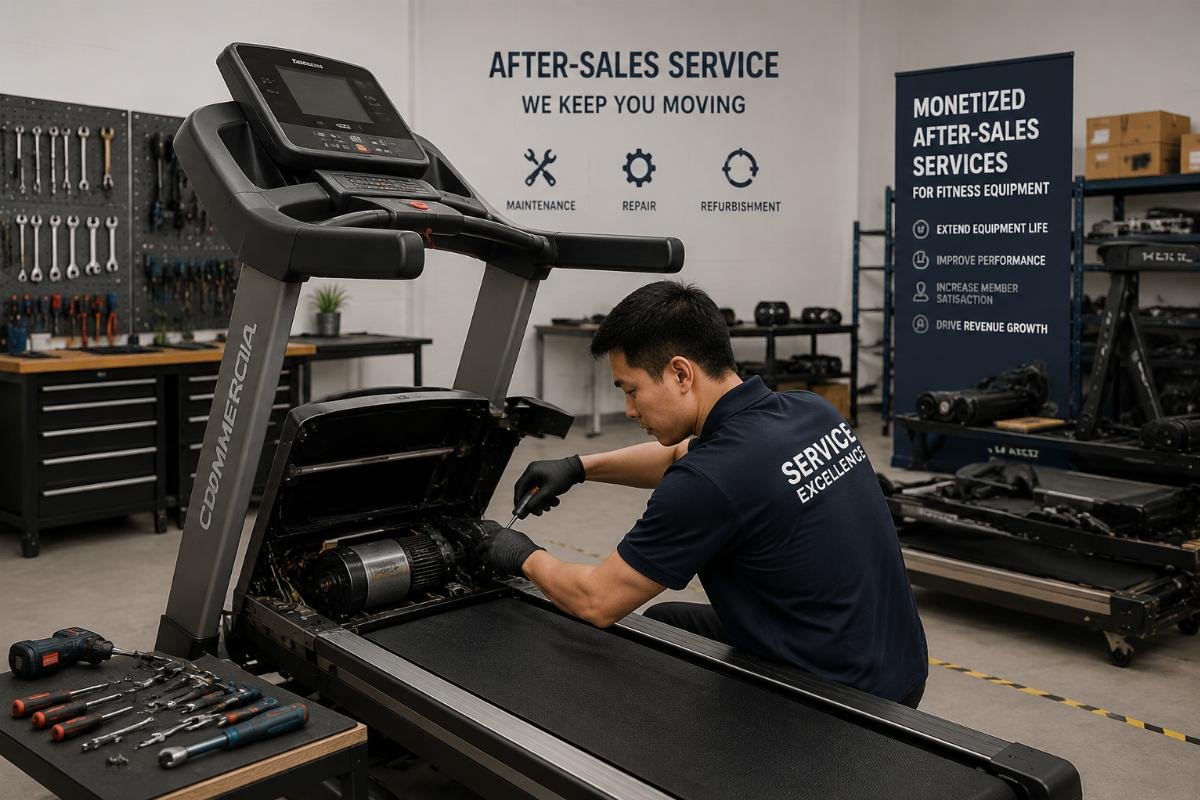
- Genuine Parts Resale – Offer end clients the option to purchase official original spare parts for self
MORE FROM
Transverse Elliptical Spare Parts: Bick OEM Wholesale for 5-Star Hotels
Whisper-Quiet Hotel Treadmill Disposal: Bick OEM Supplier
LED Screen Treadmill Alignment Calibration Standards Wholesale Supplier
EQUIP YOUR
From CrossFit boxes to chain facilities -- BICKFIT engineers, manufactures and delivers heavy-duty commercial strength equipment worldwide.
JOIN THE DISCUSSION